
3 Underground Water Storage Tanks: Pros, Limits and Options in 2026
As an Amazon Associate, this website earns from qualifying purchases.
The short answer
Underground water storage tanks keep water cool, dark and out of sight, but they cost more to install. For most emergency plans, above-ground tanks and barrels are simpler.
Last updated September 2026
Contents8
- #1. In-Ground Rainwater Tank: best simple in-ground option for irrigation
- #2. Elkhart Plastics 1000-Gallon Tank: best above-ground alternative for drinking water
- #3. RomoTech 550-Gallon Tank with Legs: best mid-size above-ground alternative
- Factors to consider when choosing an underground water storage tank
- Underground vs above-ground tanks
- Installing underground water storage tanks
- Are underground water storage tanks worth it for emergencies
- Using stored rain water safely
Our top 3 picks
- 1Best simple in-ground option for irrigation
 In-Ground Rainwater Storage Tank
- Sits below ground level so it cannot shift or blow away
- Ground stakes and edge grommets hold it in place
- Sold for irrigation, livestock and emergency water
- 2Best above-ground alternative for drinking water
 Elkhart Plastics 1000-Gallon Vertical Tank
- Virgin polyethylene, FDA and NSF/ANSI 61 compliant per the maker
- Dark UV-resistant body that blocks light
- Two 16-inch manway lids, bottom drain fittings and gallon marks
- 3Best mid-size above-ground alternative
 RomoTech 550-Gallon Tank with Legs
- UV-stabilized, BPA-free polyethylene
- Molded gallon and liter marks
- 5.5-inch fill cap and 2-inch side outlet
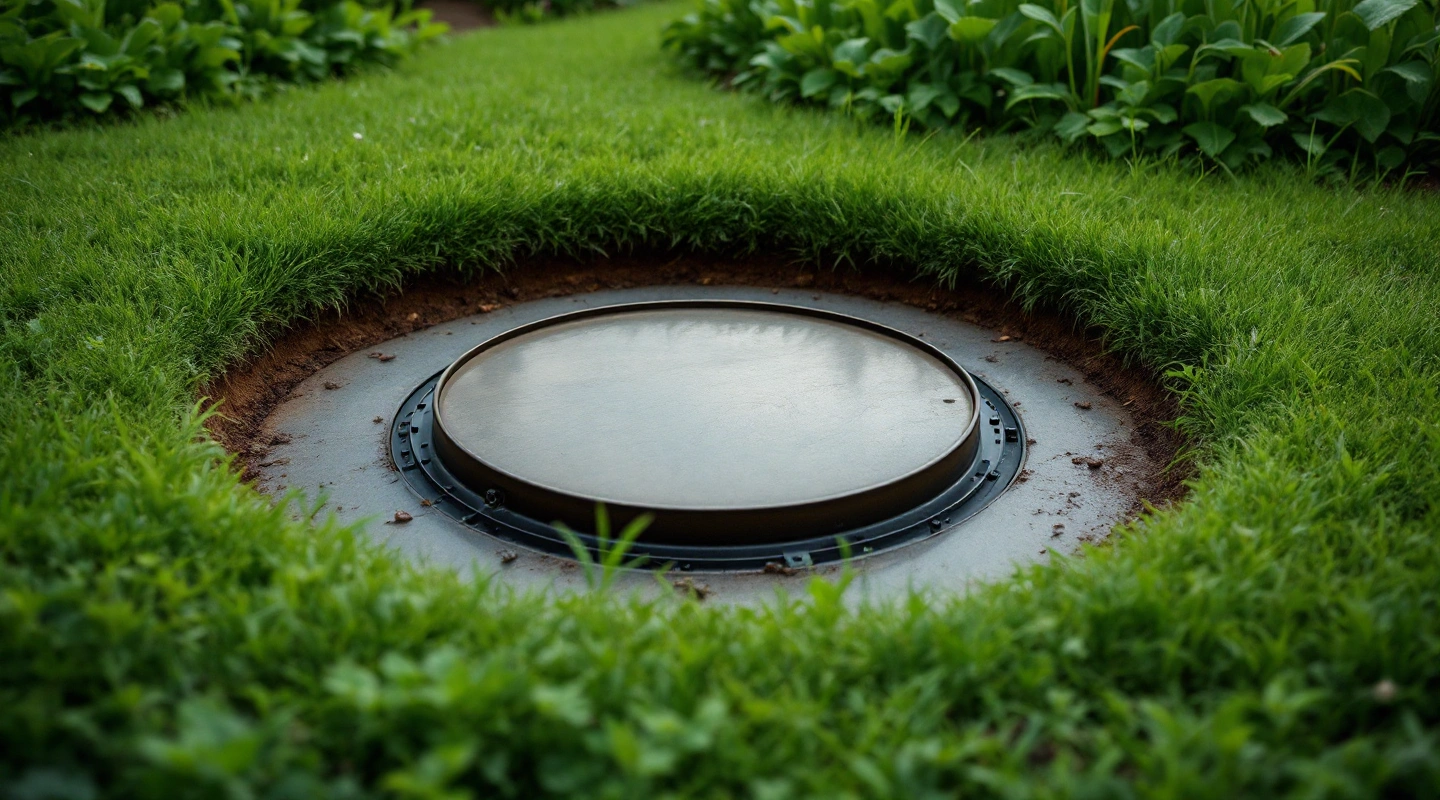
Underground water storage tanks, also called cisterns, hold water below the ground. The EPA notes that cisterns used to harvest rain water can sit above or below ground. Buried tanks keep water cool and dark and free up yard space. They also cost more and take more work to install.
#1. In-Ground Rainwater Tank: best simple in-ground option for irrigation
In-Ground Rainwater Storage Tank
Our verdict:
Best simple in-ground option for irrigation
Best for garden and livestock water.
View on Amazon- Sits below ground level so it cannot shift or blow away
- Ground stakes and edge grommets hold it in place
- Sold for irrigation, livestock and emergency water
Keep in mind: it is aimed at irrigation, not drinking water. The listing also gives mixed sizes, so confirm the capacity on the page.
Product details checked September 2026
#2. Elkhart Plastics 1000-Gallon Tank: best above-ground alternative for drinking water
Elkhart Plastics 1000-Gallon Vertical Tank
Our verdict:
Best above-ground alternative for drinking water
Best for homes that want a large drinking water store without digging.
View on Amazon- Virgin polyethylene, FDA and NSF/ANSI 61 compliant per the maker
- Dark UV-resistant body that blocks light
- Two 16-inch manway lids, bottom drain fittings and gallon marks
Keep in mind: it is not made for burial.
Product details checked September 2026
#3. RomoTech 550-Gallon Tank with Legs: best mid-size above-ground alternative
RomoTech 550-Gallon Tank with Legs
Our verdict:
Best mid-size above-ground alternative
Best for farms and larger lots.
View on Amazon- UV-stabilized, BPA-free polyethylene
- Molded gallon and liter marks
- 5.5-inch fill cap and 2-inch side outlet
Keep in mind: not for burial.
Product details checked September 2026
Factors to consider when choosing an underground water storage tank
Few true underground tanks ship as a simple buy. Most are installed by a contractor. We picked one in-ground option and two above-ground tanks that often make more sense for home emergency water. We used the EPA's rain barrel and cistern page and Ready.gov's water page. We did not test these by hand, so check each listing before you buy.
Underground vs above-ground tanks
Underground tanks:
- Keep water cool and dark, which slows algae.
- Save yard space and stay out of sight.
- Need digging, a burial-rated tank and a pump.
- Are harder to inspect and repair.
Above-ground tanks:
- Cost less and install faster.
- Are easy to check and clean.
- Take up space and need shade or a dark tank.
Installing underground water storage tanks
A buried tank is a building project. Call your local utility locator before you dig. Check local rules on tanks and rain collection. Use a tank rated for burial, set on a proper bed, and plan the inlet, overflow, vent and pump. Many homeowners hire a contractor for this.
Are underground water storage tanks worth it for emergencies
For most homes, no. A buried tank makes the most sense when you already plan a large rain collection system, or when yard space and looks matter a lot. For a short emergency, the goal is simpler: at least one gallon per person per day for several days, as Ready.gov advises. That fits in a few jugs or one barrel.
A buried tank also depends on a pump. If the pump runs on grid power, you may not reach the water in an outage. Plan a hand pump or backup power if the tank is part of your emergency plan.
Using stored rain water safely
The EPA notes that rain flowing over a roof can pick up bacteria and chemicals. Treat stored rain water as non-drinking water unless you filter and disinfect it. Keep a separate store of drinking water in food-grade containers. The water storage containers guide covers that, and the rain water barrel hub covers the full plan.
Questions people also ask
What are the benefits of underground water storage tanks?
They save yard space, keep water cool and dark, and are protected from wind and sun. They also stay out of sight.
Do underground tanks need a pump?
Usually, yes. Because the water sits below ground, you need a pump to bring it up for use.
Can I use any tank underground?
No. Only tanks built for burial can take the soil pressure. An above-ground tank can collapse if buried.