
5 Rain Water Barrel and Water Storage Picks, Plus Setup in 2026
As an Amazon Associate, this website earns from qualifying purchases.
The short answer
A rain water barrel is a useful backup for gardens, cleaning and flushing. Store drinking water separately, at one gallon per person per day, and treat any rain water before you drink it.
Last updated September 2026
Contents12
- #1. Step2 Lakewood 60-Gallon Barrel: best all-round rain water barrel
- #2. RTS 55-Gallon Flat-Back Barrel: best for tight spaces
- #3. Collapsible 53-Gallon Barrel: best for renters and storage
- #4. Saratoga Farms 5-Gallon Containers: best for drinking water storage
- #5. LifeStraw Personal Filter: best backup for treating water
- Factors to consider when choosing a rain water barrel
- What a rain water barrel is good for
- Why rain barrel water is not drinking water
- Setting up a rain water barrel
- Your emergency water plan in three layers
- More in this guide
- More Plainly Prepared guides
Our top 5 picks
- 1Best all-round rain water barrel
 Step2 Lakewood 60-Gallon Rain Barrel
- Holds 60 gallons on a raised, built-in stand
- Stainless mesh screen over the top and a brass spigot
- Several barrels can be linked for more storage
- 2Best for tight spaces
 RTS Home Accents 55-Gallon Flat-Back Rain Barrel
- Flat back sits flush against a wall or fence
- Removable lid for cleaning
- Raised stand included, made with recycled plastic
- 3Best for renters and storage
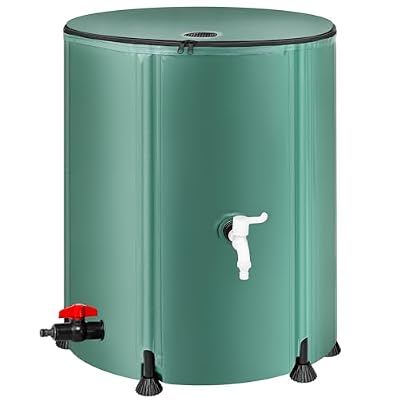 Collapsible 53-Gallon Rain Barrel
- Folds down for storage and carrying when empty
- Three-layer PVC body with a screw-in faucet
- Mesh top keeps leaves and debris out
- 4Best for drinking water storage
 Saratoga Farms 5-Gallon Stackable Containers (4-pack)
- Four 5-gallon containers, 20 gallons in all
- Food-grade, BPA-free HDPE
- Flat tops and bottoms stack; handles for carrying
- 5Best backup for treating water
 LifeStraw Personal Water Filter
- Drink straight through it; no power or chemicals
- Maker lists removal of bacteria and parasites
- Listed life of about 1,000 gallons
A rain water barrel catches water from your roof so you can use it later. In normal times it waters the garden. In an emergency, it can flush toilets, wash hands and clean up, which saves your stored drinking water for drinking. It is not a drinking water source on its own, though. This hub covers barrel picks, setup, and how rain water fits with the rest of your emergency water plan.
#1. Step2 Lakewood 60-Gallon Barrel: best all-round rain water barrel
Step2 Lakewood 60-Gallon Rain Barrel
Our verdict:
Best all-round rain water barrel
Best for a standard downspout at a house with a garden.
View on Amazon- Holds 60 gallons on a raised, built-in stand
- Stainless mesh screen over the top and a brass spigot
- Several barrels can be linked for more storage
Keep in mind: rain water is for non-drinking uses unless you treat it.
Product details checked September 2026
Standout: a 60-gallon barrel on a raised stand, with a mesh screen and a brass spigot. The listing says the height improves water pressure and makes filling a watering can easier.
#2. RTS 55-Gallon Flat-Back Barrel: best for tight spaces
RTS Home Accents 55-Gallon Flat-Back Rain Barrel
Our verdict:
Best for tight spaces
Best for narrow side yards and spots against a wall or fence.
View on Amazon- Flat back sits flush against a wall or fence
- Removable lid for cleaning
- Raised stand included, made with recycled plastic
Keep in mind: 55 gallons weighs over 450 pounds when full, so set the stand on firm, level ground.
Product details checked September 2026
Standout: a flat back that sits flush to a wall, a removable lid for cleaning, and a spigot.
#3. Collapsible 53-Gallon Barrel: best for renters and storage
Collapsible 53-Gallon Rain Barrel
Our verdict:
Best for renters and storage
Best for renters, or anyone who wants to pack the barrel away in winter.
View on Amazon- Folds down for storage and carrying when empty
- Three-layer PVC body with a screw-in faucet
- Mesh top keeps leaves and debris out
Keep in mind: soft barrels are less sturdy than rigid ones. Set it on flat, level ground.
Product details checked September 2026
Standout: it folds flat when empty and has a mesh top to keep leaves out.
#4. Saratoga Farms 5-Gallon Containers: best for drinking water storage
Saratoga Farms 5-Gallon Stackable Containers (4-pack)
Our verdict:
Best for drinking water storage
Best for the drinking water side of your plan.
View on Amazon- Four 5-gallon containers, 20 gallons in all
- Food-grade, BPA-free HDPE
- Flat tops and bottoms stack; handles for carrying
Keep in mind: each is heavy when full. Keep them low.
Product details checked September 2026
Standout: four food-grade, BPA-free 5-gallon containers that stack. Compare options in our water storage container picks.
#5. LifeStraw Personal Filter: best backup for treating water
LifeStraw Personal Water Filter
Our verdict:
Best backup for treating water
Best for a go-bag, or treating water when stored water runs low.
View on Amazon- Drink straight through it; no power or chemicals
- Maker lists removal of bacteria and parasites
- Listed life of about 1,000 gallons
Keep in mind: it does not remove chemicals, so it is not a fix for roof runoff with chemical risk.
Product details checked September 2026
Standout: the maker says it removes bacteria and parasites, with no power needed. Compare options in our portable water filter picks.
Factors to consider when choosing a rain water barrel
We built this list from official guidance: Ready.gov's water page, the CDC's emergency water storage guide and the EPA's rain barrel page. We picked barrels for the garden and backup use, and separate food-grade containers for drinking water. We did not test these by hand. Details come from each listing, so check the current page before you buy.
What a rain water barrel is good for
The EPA describes rain barrels as a way to capture water from a roof and hold it for later, such as for lawns and gardens, or for indoor plants. In an emergency, the same water can:
- Flush a toilet by pouring a bucket into the bowl.
- Wash hands and clothes, or mop floors.
- Water a garden when the tap is off or rationed.
Every gallon of rain water used this way is a gallon of stored drinking water you do not need to touch.
Why rain barrel water is not drinking water
The EPA notes that as rain flows over a roof, it can pick up bacteria from birds and other animals, and chemicals from roof materials. That is why it also urges caution with edible plants. Treat rain water as untreated water. If you ever need to drink it, filter it to remove dirt and germs, then disinfect it. Chemicals from a roof are harder to remove, so stored drinking water is always the better choice.
Setting up a rain water barrel
- Pick a downspout. Choose one that drains a good part of the roof.
- Build a level base. A full 55-gallon barrel weighs over 450 pounds, so the base must be solid.
- Raise it up. Height gives better pressure at the spigot.
- Screen the top. A mesh lid keeps out leaves and bugs.
- Plan the overflow. Route extra water away from your foundation.
- Check local rules. Some states and towns have rain barrel guidance, and the EPA links to several.
Your emergency water plan in three layers
Layer 1: stored drinking water. Use the emergency water planning guide to set your household target and long-term storage routine to keep it ready. Ready.gov says to store at least one gallon per person per day for several days, and the CDC suggests two weeks if you can. Use food-grade containers. Replace water you store yourself every six months. The water storage containers guide compares options, and the water storage tanks guide covers bigger setups.
Layer 2: a way to treat water. Ready.gov lists boiling for one full minute, or adding 1/8 teaspoon of plain 5.25 to 6.0 percent household bleach per gallon and waiting 30 minutes. A filter adds a backup. See the portable water filter guide and the best water purification guide.
Layer 3: non-drinking water. This is where a rain water barrel fits, alongside a filled bathtub before a storm.
More in this guide
Planning and storage containers
- Emergency water planning: how much to set aside for people and pets.
- How to store water long term: cleaning, labelling and rotation.
- Emergency water storage: a home stash with jugs and bulk options.
- Water storage containers: jugs and barrels for drinking water.
- 50 gallon water container: drums, pumps and drawing water cleanly.
- Portable water container: carry-and-refill jugs for an evacuation.
- Camping water container: portable supplies for trips.
Fixed tanks and capacity planning
- Water storage tanks: the range of home and farm tank options.
- Vertical water storage tank: upright shapes for limited floor space.
- 20 gallon water storage tank: small potable RV tanks and jug alternatives.
- 50 gallon water storage tank: fixed tanks with taps or fittings.
- 500 gallon water storage tank: mid-size storage and horizontal shapes.
- 1000 gallon water storage tank: large-capacity options and setup.
- 1500 gallon water storage tank: weight, footprint and delivery.
- 2500 gallon water storage tank: a bulk reserve, overflow and site planning.
- 3000 gallon water storage tank: very large stores and smaller-tank alternatives.
- Underground water storage tanks: buried tanks and cisterns.
Purification and field water
- How to purify water in a survival situation: official steps and treatment times.
- Filter versus purifier: choose by the germs each method handles.
- Backpacking water purification: methods and equipment for trail sources.
- Portable water filter: straw, squeeze and pump choices.
- Best gravity water filter: hands-free batch filtering.
- Best water purification: filters, tablets and boiling compared.
- Best water purification tablets: chemical backup options.
More Plainly Prepared guides
- Evacuation and family plans
- Emergency hurricane kit
- Emergency kit for earthquake
- Emergency radios
- Car kit emergency supplies
Our picks in this topic
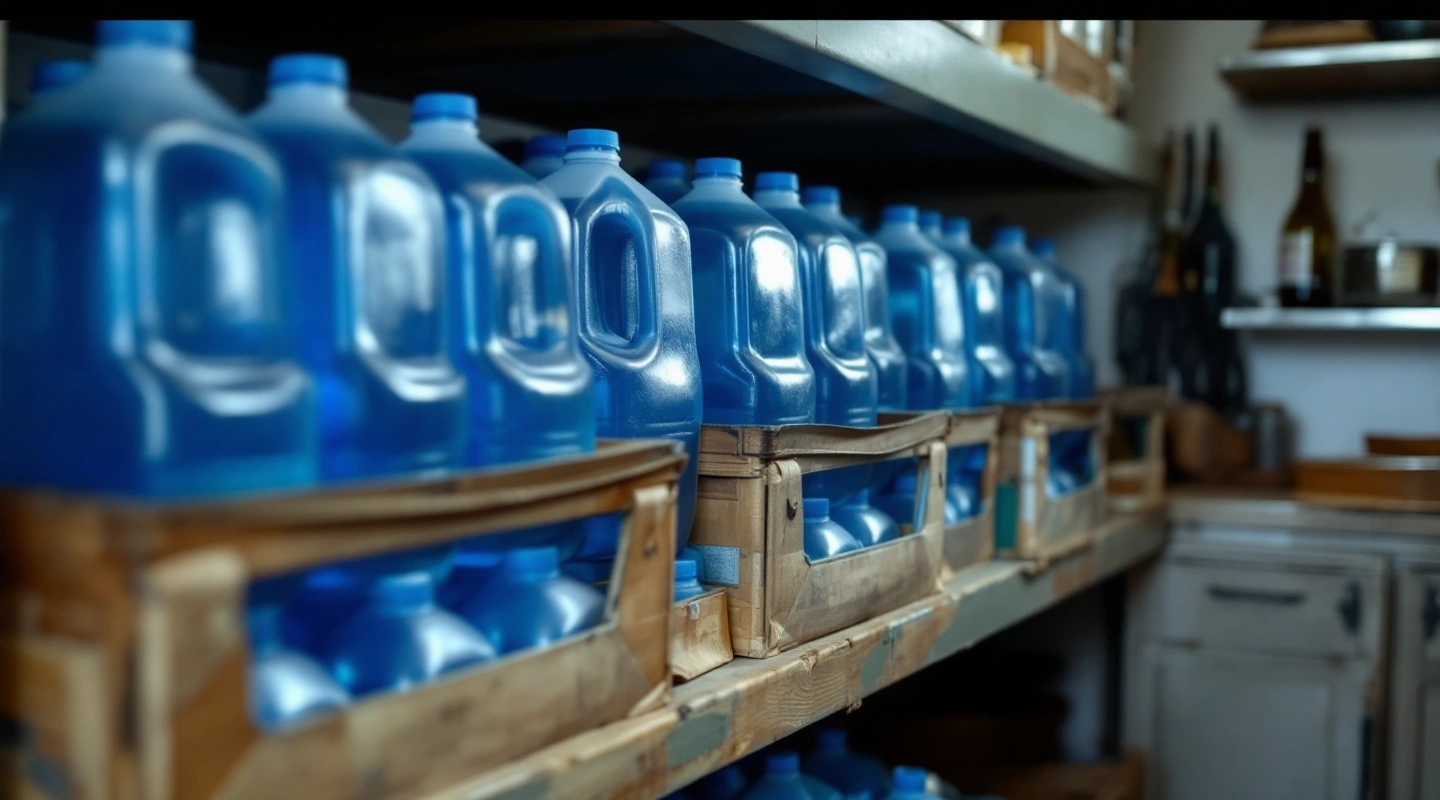
6 picks
6 Water Storage Containers for Emergencies, by Size in 2026
Food-grade water storage containers from 5-gallon jugs to 55-gallon barrels and bathtub bladders, with official rules on how much to store and when to replace it.
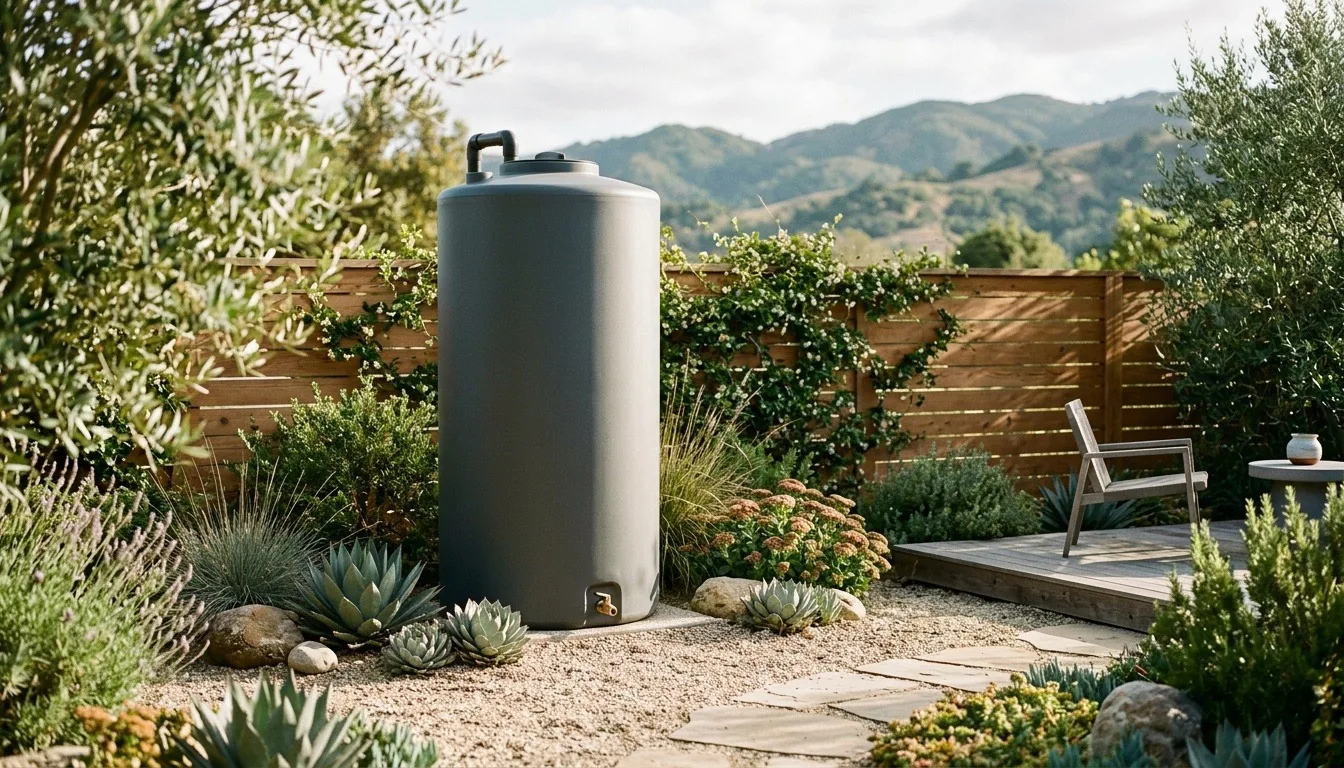
4 picks
4 Vertical Water Storage Tank Picks From 35 to 1,000 Gallons in 2026
Why a vertical water storage tank saves floor space, what to check before you buy one, and four upright tanks from closet size to 1,000 gallons.
5 picks
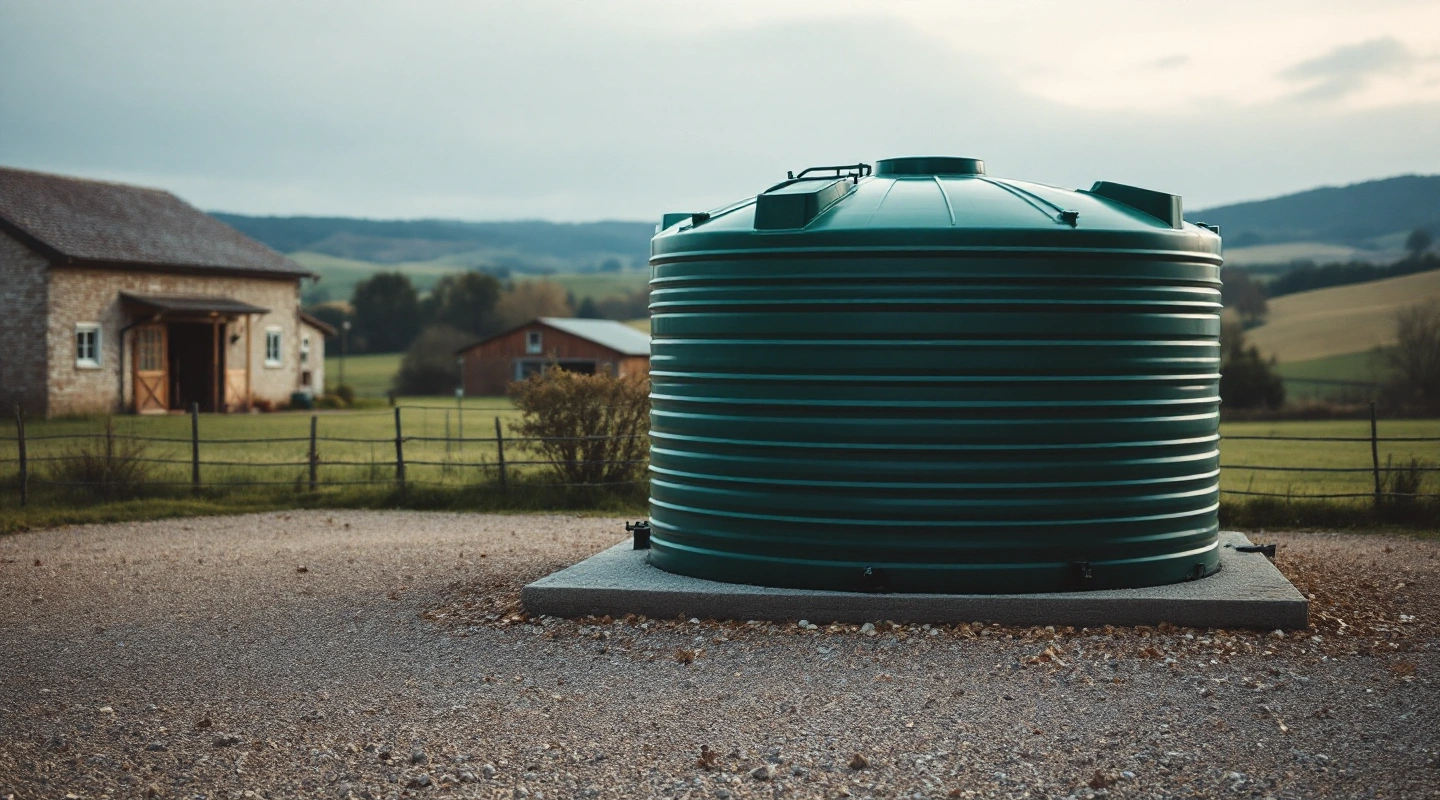
5 Water Storage Tanks for Home Emergency Water in 2026
Water storage tanks from 35 to 1,000 gallons for home, farm and emergency use: which fit drinking water, how to set them up, and when a tank beats jugs.
3 picks
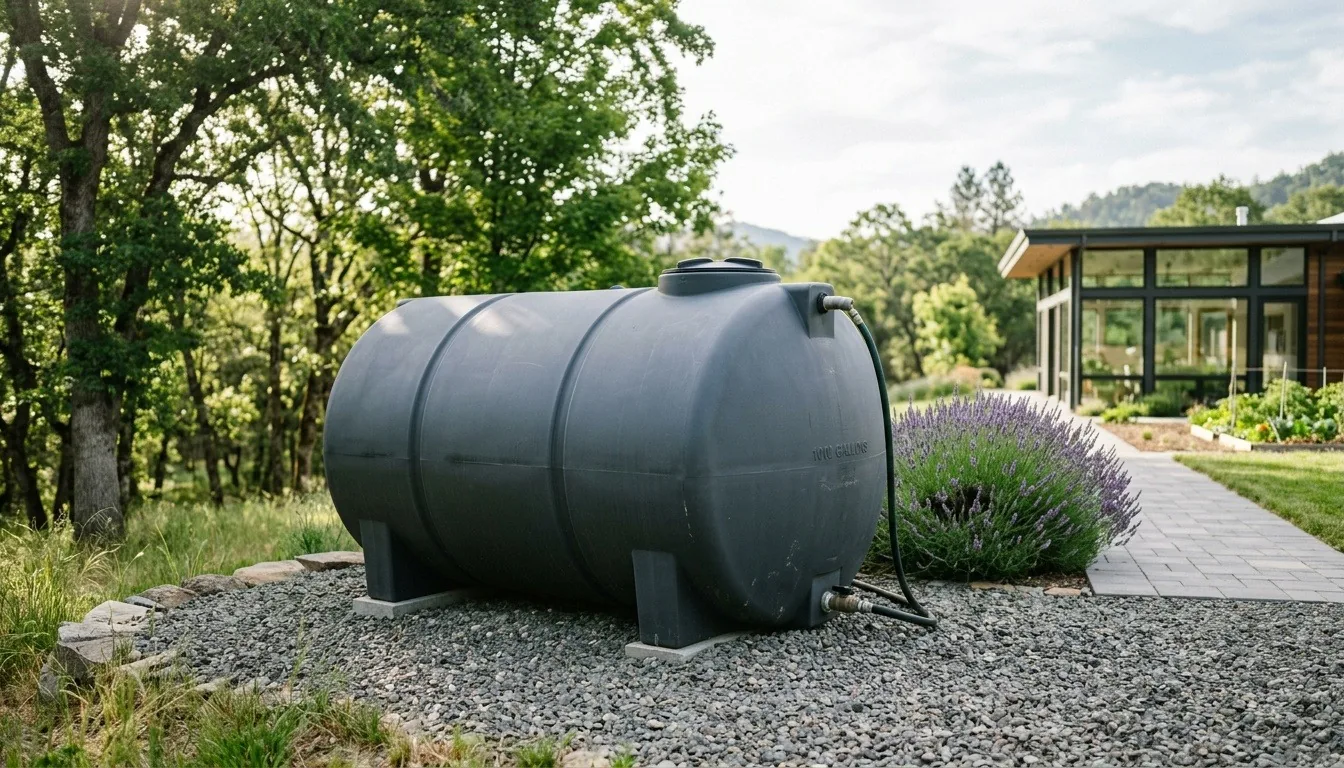
3 Options for a 1000 Gallon Water Storage Tank and What It Takes in 2026
What a 1000 gallon water storage tank weighs, where it can go, how rigid tanks compare with bladders, and three large-capacity options.
3 picks
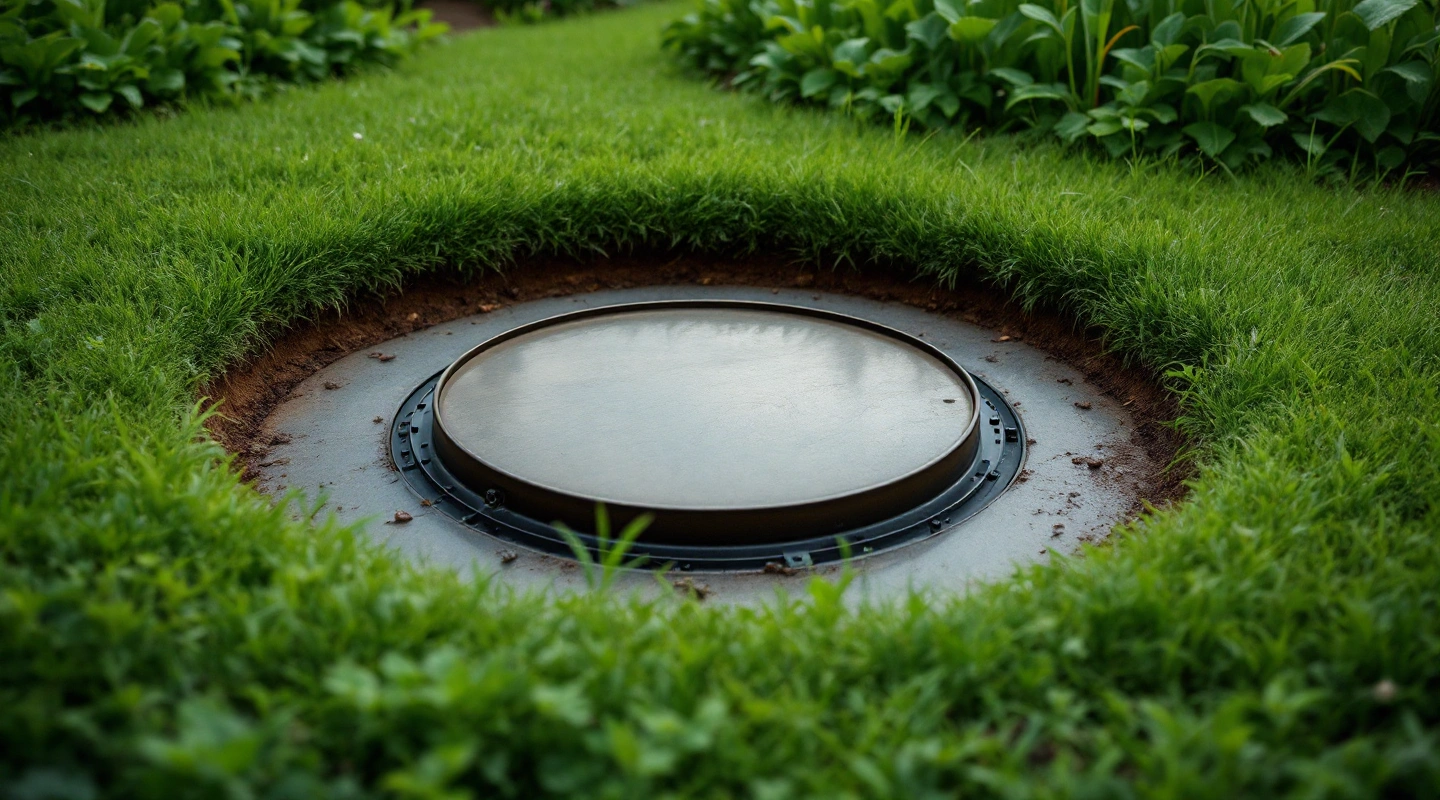
3 Underground Water Storage Tanks: Pros, Limits and Options in 2026
How underground water storage tanks and cisterns work, when a buried tank beats one above ground, what installation involves, and three options to compare.
6 picks
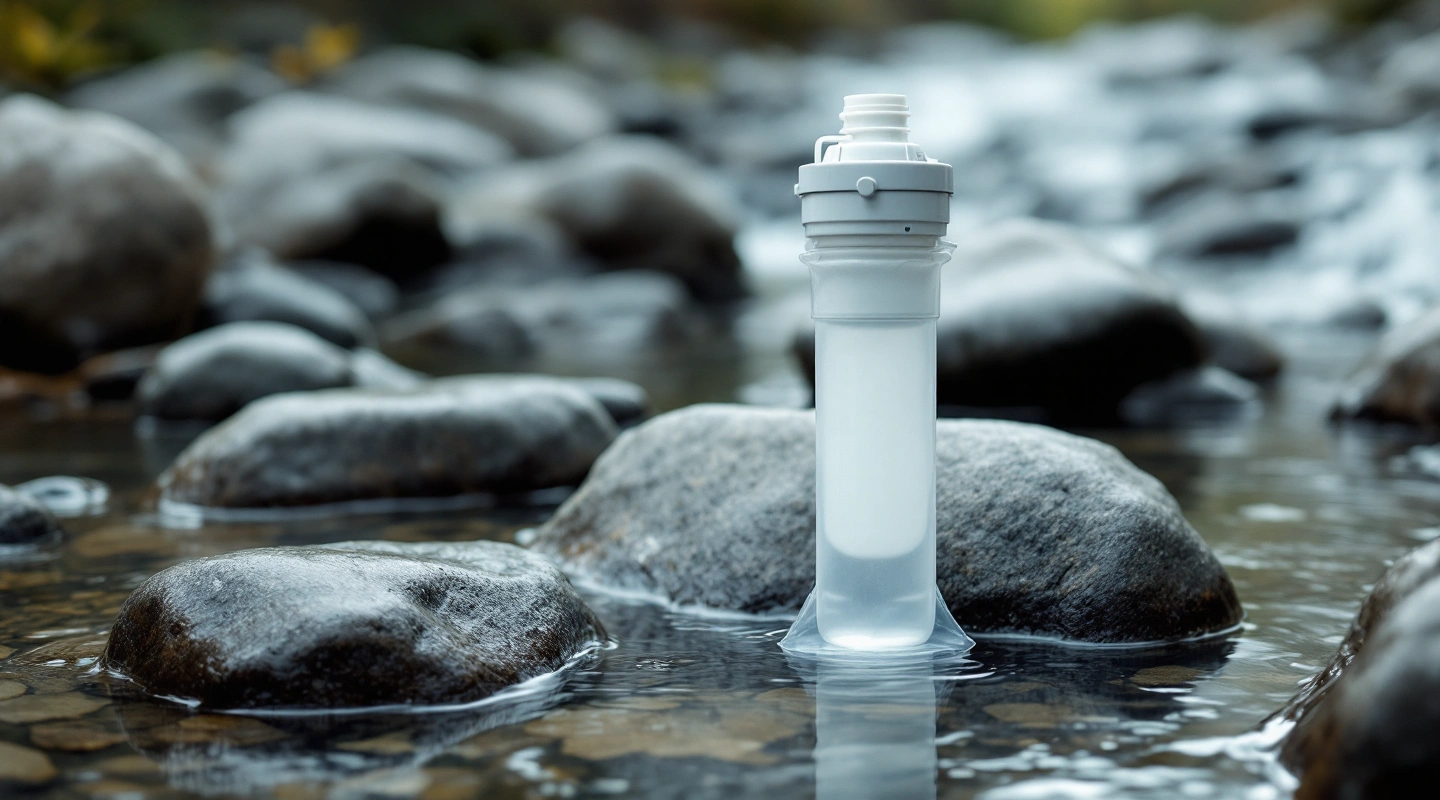
6 Portable Water Filter Picks for Emergencies and Trips in 2026
How a portable water filter works, what the CDC says it can and cannot remove, and six filters compared: straws, squeeze filters, a pump filter and a gravity bag.
5 picks
5 Camping Water Container Picks for Trips and Go-Kits in 2026
Camping water containers that pull double duty in an emergency: collapsible jugs, 5-gallon spigot jugs and a rugged can, with tips on size, weight and cleaning.
5 picks
5 Best Gravity Water Filters for Home Backup and Camp in 2026
The best gravity water filter for a household outage or a group camp: countertop systems and hanging bags compared, with the CDC's limits on what filters remove.
4 picks
4 Best Water Purification Tablets for Emergency Kits in 2026
The best water purification tablets for go-bags and home kits: chlorine and iodine tablets compared, what the CDC says each kills, and how to use them.
6 picks
6 Best Water Purification Picks for Emergencies, Methods Compared in 2026
The best water purification method depends on the water and the situation. Boiling, bleach, tablets, filters and distillation compared using CDC and Ready.gov guidance, plus six picks.
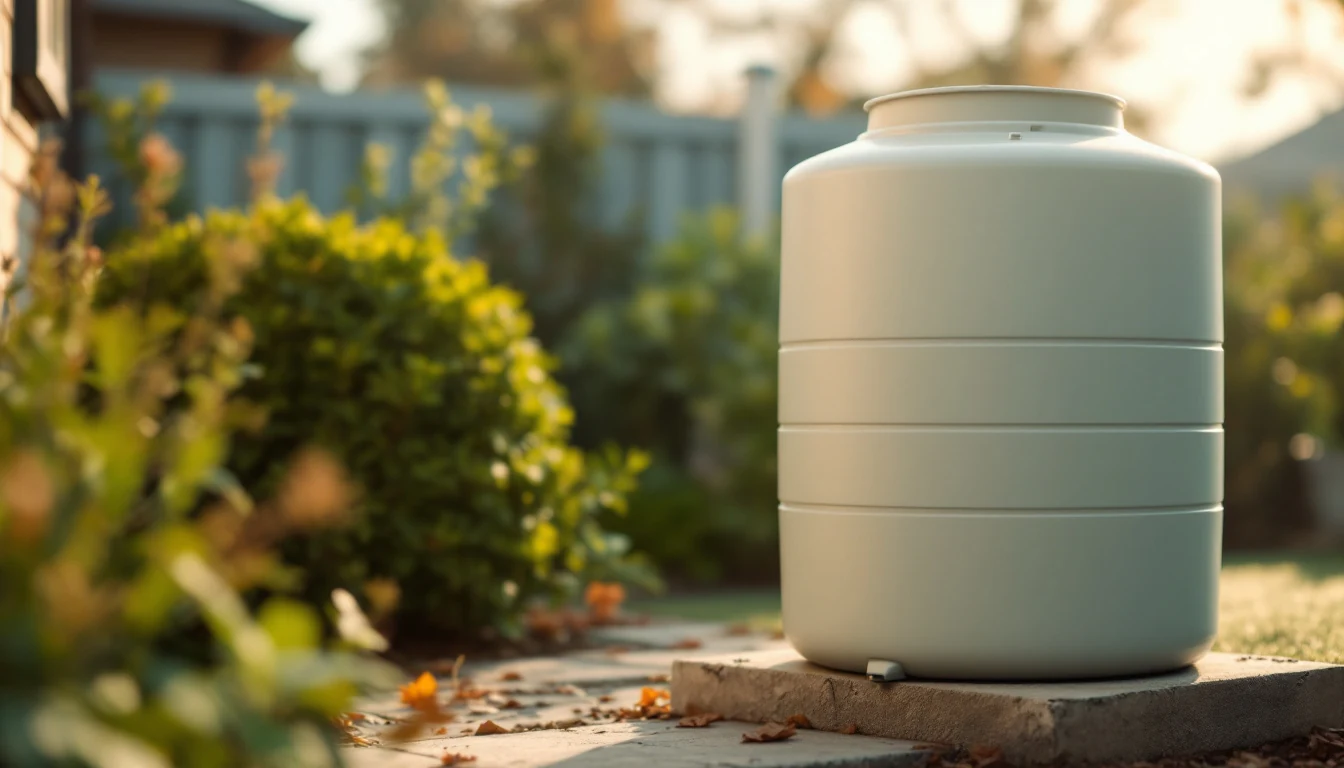
3 picks
3 Options for a 20 Gallon Water Storage Tank in 2026
Compare two potable RV tanks and a portable 20-gallon jug set, with household coverage, fitting needs and storage advice.
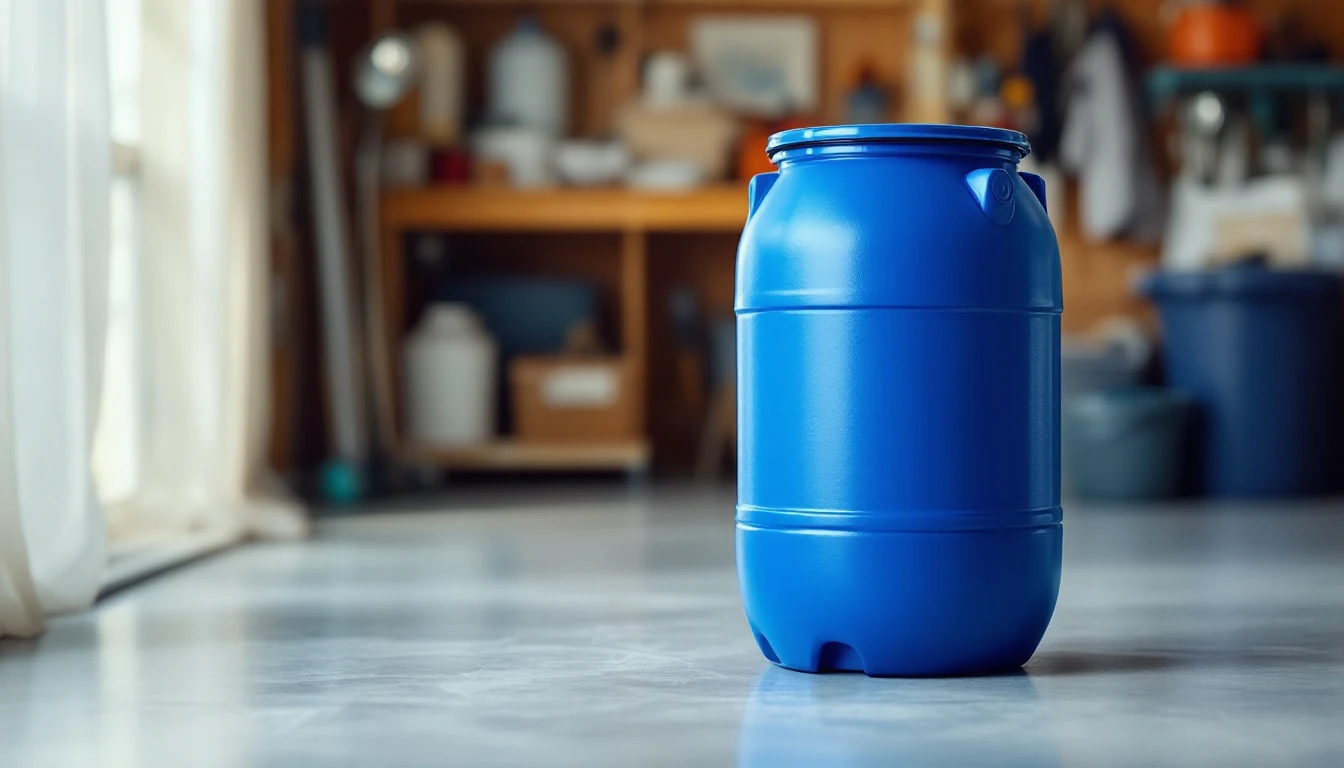
Our pick
50 Gallon Water Container: Drum Storage Guide in 2026
Choose a drinking-water drum near 50 gallons, plan a pump and bung wrench, and keep the stored water clean and on a rotation schedule.
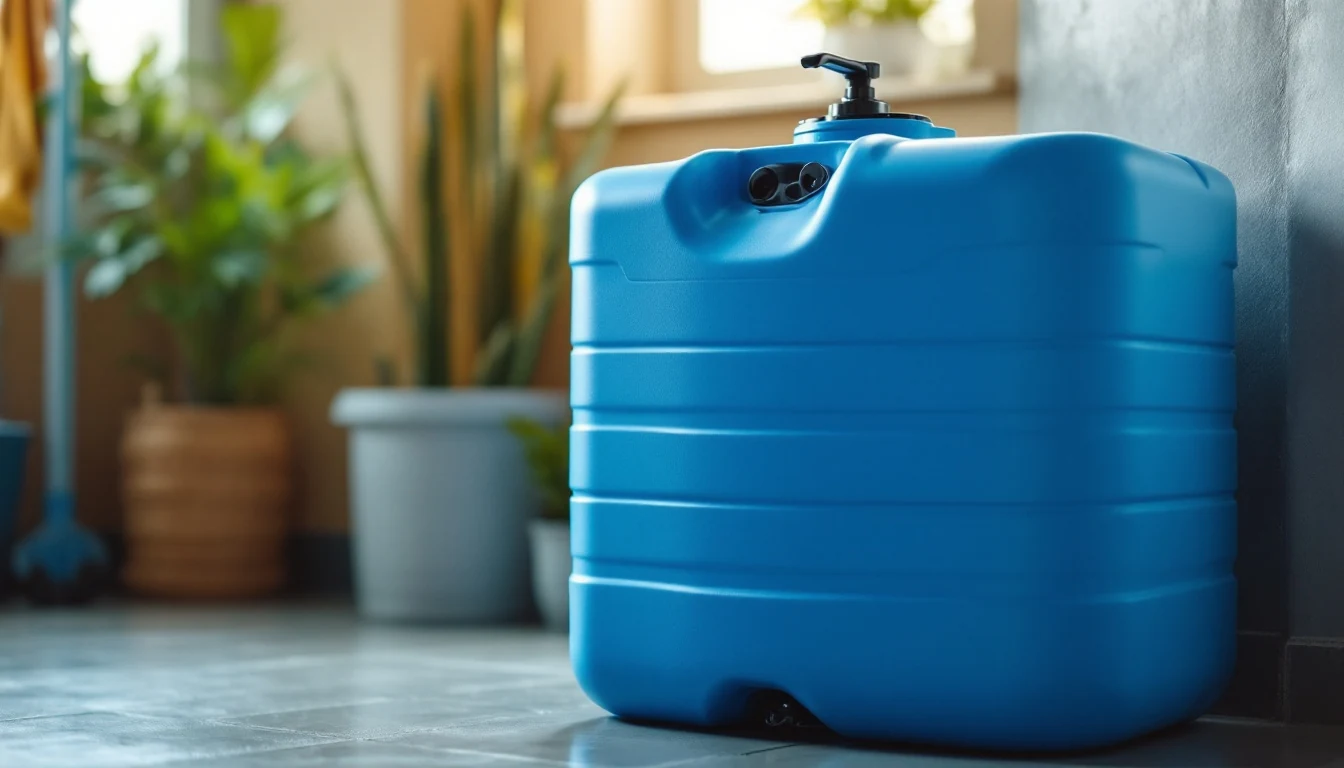
3 picks
3 Options for a 50 Gallon Water Storage Tank in 2026
Compare fixed tanks around 50 gallons, from a square utility tank to a drinking-water tank with a spigot. Check fittings, load and access.
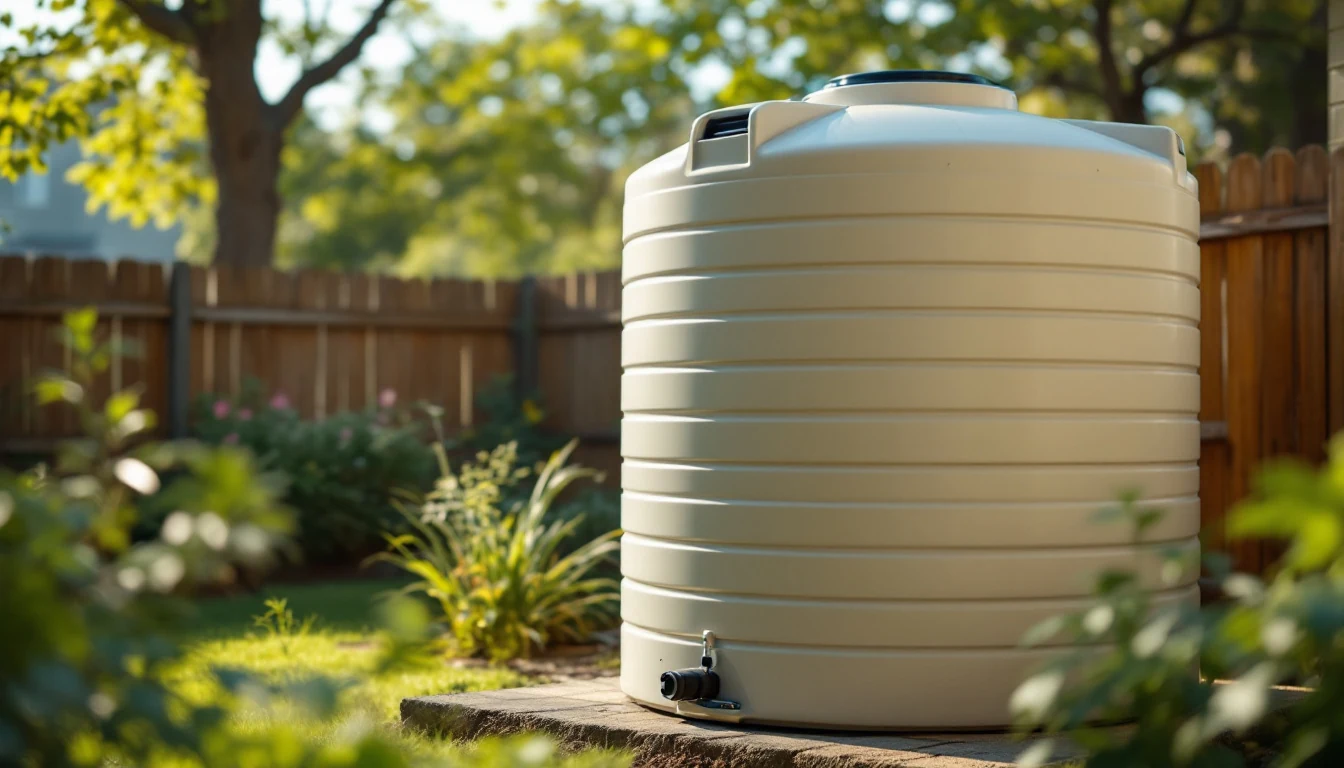
Our pick
500 Gallon Water Storage Tank: 550-Gallon Option in 2026
Compare a 550-gallon horizontal tank with the 500-gallon class. Plan the water load, footprint, base and use before installation.
4 picks
4 Emergency Water Storage Options for Home in 2026
Build a home water stash with portable jugs, a bulk drum, a spigot tank and a bathtub liner, plus placement and rotation advice.
4 picks
4 Portable Water Container Picks for Emergencies in 2026
Choose carry-and-refill water jugs for an evacuation or outage, with rigid cans, spigot jugs and collapsible options.
3 picks
3 Purify Water Filter Options: Filter vs Purifier in 2026
Compare a virus-removal pump, a squeeze filter and a straw filter. Choose by water source and the germs each method can address.
4 picks
4 Water Purification Backpacking Picks in 2026
Compare squeeze filters, a pump and tablets for the trail, plus when UV or a purifier bottle fits the water source and weight budget.
Questions people also ask
Is rain barrel water safe to drink?
Not as it comes off the roof. The EPA notes that rain can pick up bacteria from birds and animals and chemicals from roof materials. Use it for gardens, cleaning and flushing, or filter and disinfect it first.
How big a rain water barrel do I need?
Most home barrels hold about 50 to 60 gallons. You can link several together, or step up to a larger tank if you have the space and a sturdy base.
How much drinking water should I store?
Ready.gov says at least one gallon per person per day for several days. The CDC suggests a two-week supply if you can.
How often should I replace stored drinking water?
Ready.gov and the CDC say to replace water you store in your own containers every six months. Store-bought water can be kept until its date.