
1500 Gallon Water Storage Tank: Site and Weight in 2026
Plan a 1,500-gallon tank around its water load, base, footprint, delivery route and use. Compare rigid tanks with bladders before buying.
Last updated October 2026
Contents6
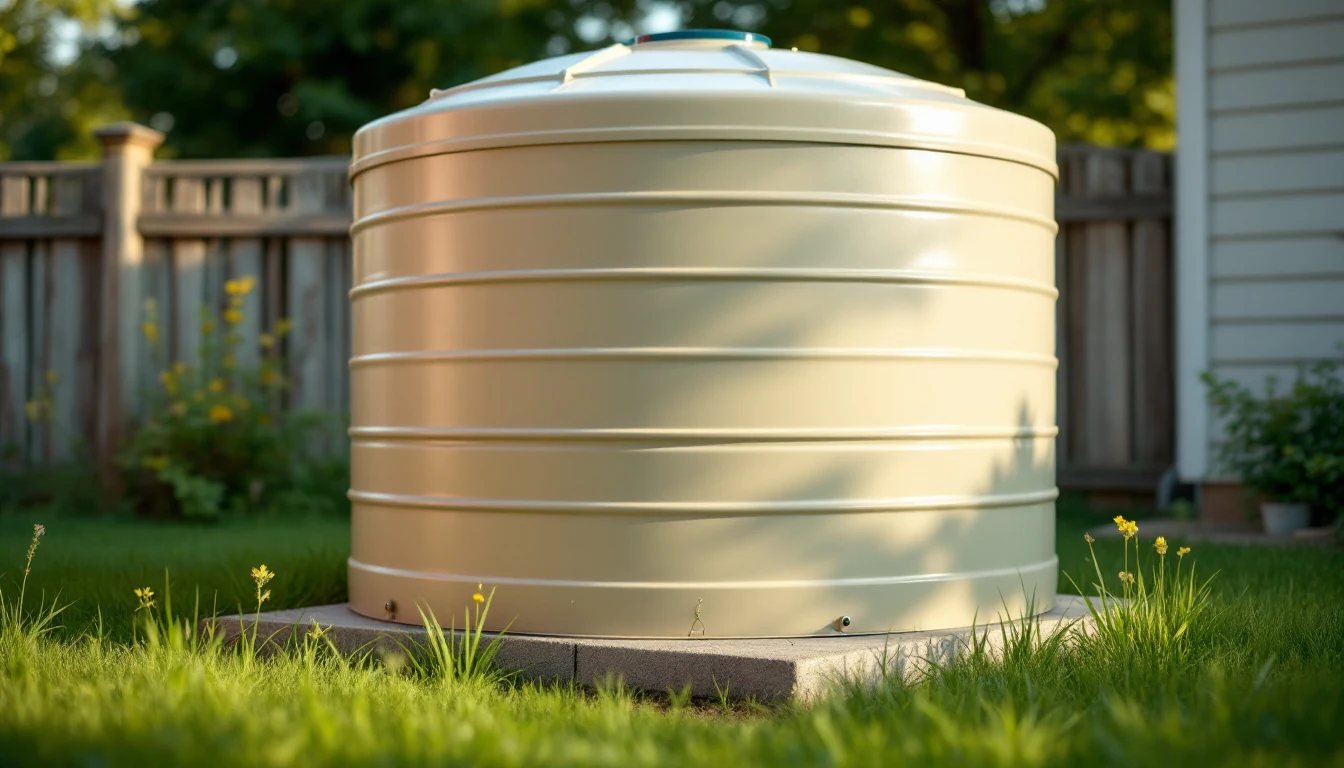
A 1500 gallon water storage tank suits a rain collection, well or off-grid system with a real bulk-water need. Its water alone weighs about 12,510 pounds, using 8.34 pounds per US gallon calculated from USGS density data. Add the empty tank and fittings to that load. Decide how to support it and get it onto the site before choosing a model.
Who needs this much stored water
Start with the job the tank will do. A home collecting roof runoff may want to carry water into a dry spell. A well owner may need a reserve between refill periods. An off-grid home needs to match stored water to its daily use and refill route. Capacity only helps if you have a dependable way to fill the tank.
For a short home emergency, the target is much smaller. The CDC's emergency supply guide calls for at least one gallon per person per day and suggests a two-week supply if possible. Four people need 56 gallons at that rate, by calculation. A bulk tank should earn its place through a larger use, rather than the size of the household alone.
Footprint and base for a 1500 gallon water storage tank
Capacity does not tell you the outside size. Get the model drawing before marking out a pad. Record the widest part of the body, the total height and the position of the drain. Leave room to open the lid, work on a valve and replace a pump. Check the path from the street as well as the final spot.
Snohomish County's rainwater guide says a tank needs a level base that supports its full weight. At this scale, ask the tank maker and installer to specify the base for your model and ground. A concrete pad may be part of that design. A thin patio slab or a loose stack of blocks is a poor guess for such a large load.
Ask how the whole bottom needs support. Settle the ground and pad design before delivery. It is much easier to correct an empty site than a filled tank. If the proposed spot is on a slope or on soft ground, have the installer assess it rather than trying to solve the problem with extra loose fill.
Rigid poly tank or flexible bladder
A rigid tank is the usual choice when the water store will stay in place. Compare the lid, drain, wall material and the maker's stated uses. A narrow upright shape can fit a different site from a low horizontal tank, even when both hold the same amount.
A bladder is worth considering when packing it away matters. Check its filled footprint, ground protection and outlet layout. The compact size shown for an empty bag is not its working size. Make sure there is space for the full bag and a way to protect it from sharp objects.
For drinking water, the CDC recommends food-grade containers. Apply that check to both rigid tanks and bladders. A garden or farm listing is not enough evidence of drinking-water suitability. For rain collection, the EPA warns that roof runoff can carry bacteria and chemicals; a suitable tank alone does not make the source safe.
Delivery and plumbing before purchase
Walk the delivery route with the seller's drawing in hand. Check gates, corners, roof overhangs and overhead wires. Ask who unloads the tank, what equipment they need, and whether the price covers placement or only roadside delivery. Get those answers before committing to the order.
For a rigid rain tank, put the openings on the drawing before choosing its position. Texas A&M AgriLife Extension identifies fill, outlet, overflow, vent and service openings. Can you reach each one in the proposed spot? For a bladder, use its own instructions to plan access when full and when packed away. Agree on the water use and any local requirements before connecting either type.
Factors to consider before choosing this capacity
We used USGS for water weight, CDC for drinking-water storage, and extension and county guidance for rain-system layout. The decision comes down to usable space, a supported base and a reliable refill source. Compare water storage tanks and the 1000 gallon option before sizing up. The 2500 gallon guide covers the next larger planning step.
Verdict: 1500 gallon water storage tank
Buy a 1500 gallon water storage tank when it fits a measured bulk-water job and the site is ready for it. Confirm the full load, footprint and delivery plan first. Build the rest of your water plan with the rain water barrel guide.
Questions people also ask
Does every 1,500-gallon tank have the same footprint?
No. Compare the exact model's diameter or length and width, height, and clearance for lids and fittings before planning the base.
Is a bladder a substitute for a rigid tank?
It can hold water for a temporary job, but it needs its own support and use instructions. Confirm drinking-water suitability rather than relying on the word emergency.