
6 Car Kit Emergency Supplies to Keep in Your Car in 2026
The short answer
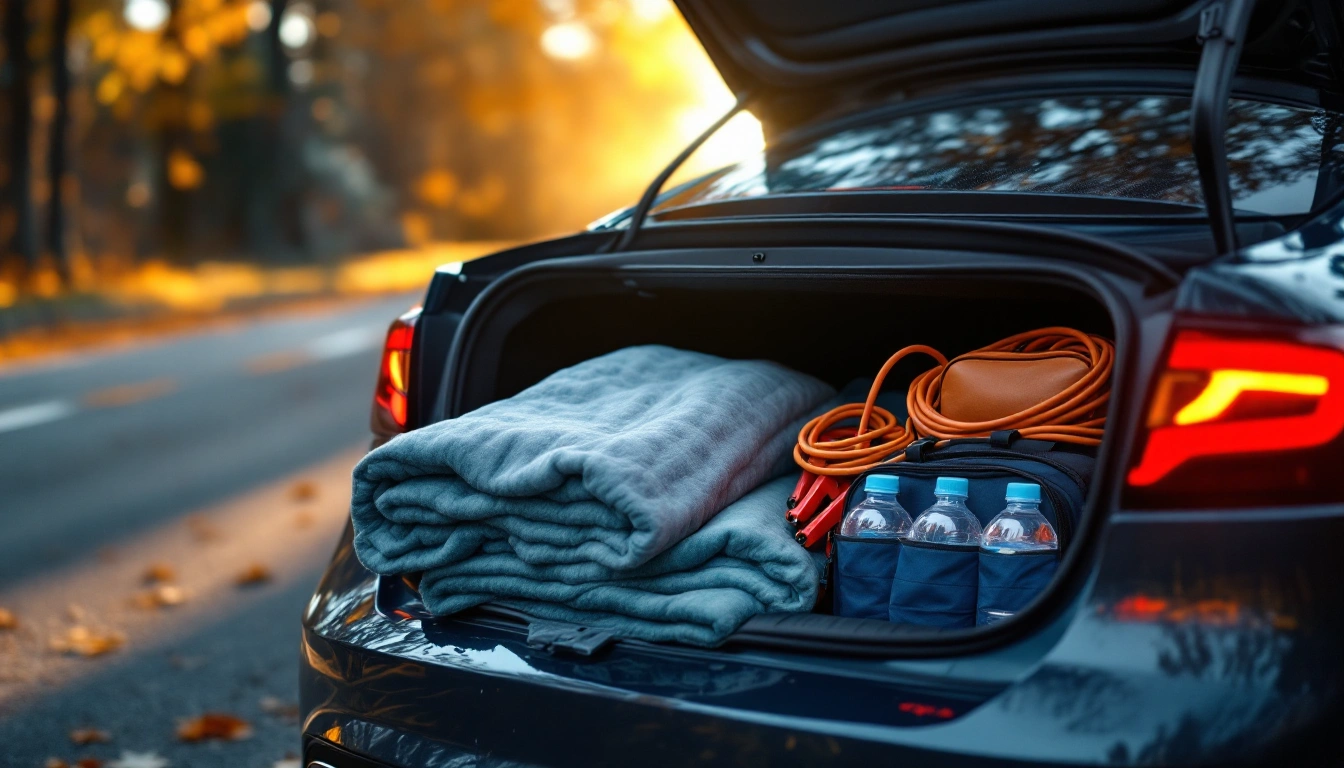
Good car kit emergency supplies cover two cases: a breakdown by the road and hours in evacuation traffic. Start with Ready.gov's list, then add water, food and first aid.
Last updated September 2026
Contents13
- #1. Lifeline AAA Excursion Road Kit 76-Piece: best all-round pre-made car kit
- #2. NOCO Boost Plus GB40 Jump Starter: best way to restart a dead battery alone
- #3. resqme Original Car Escape Tool: best small safety tool
- #4. Peterson 449 Warning Triangle Kit (3-pack): best for being seen at night
- #5. Lifeline Small Hard-Shell Foam First Aid Kit 30-Piece: best compact first aid for the glove box
- #6. SOL Emergency Blanket: best cheap warmth for a winter breakdown
- Factors to consider when choosing car kit emergency supplies
- Car kit emergency supplies checklist
- Car kit emergency supplies for evacuation traffic
- Car safety tips from Ready.gov
- Storing and checking your car kit
- More in this guide
- More Plainly Prepared guides
Our top 6 picks
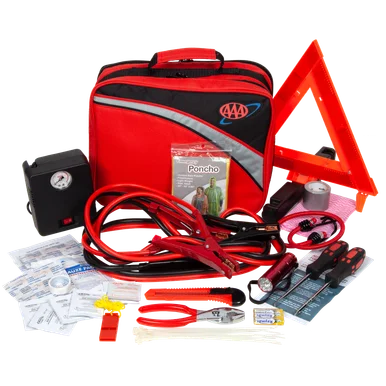
- 1Best all-round pre-made car kitLifeline AAA Excursion Road Kit 76-PieceView at LifelineRead our analysis
- 2Best way to restart a dead battery aloneNOCO Boost Plus GB40 Jump StarterView at NOCORead our analysis
- 3Best small safety toolresqme Original Car Escape ToolView at resqmeRead our analysis
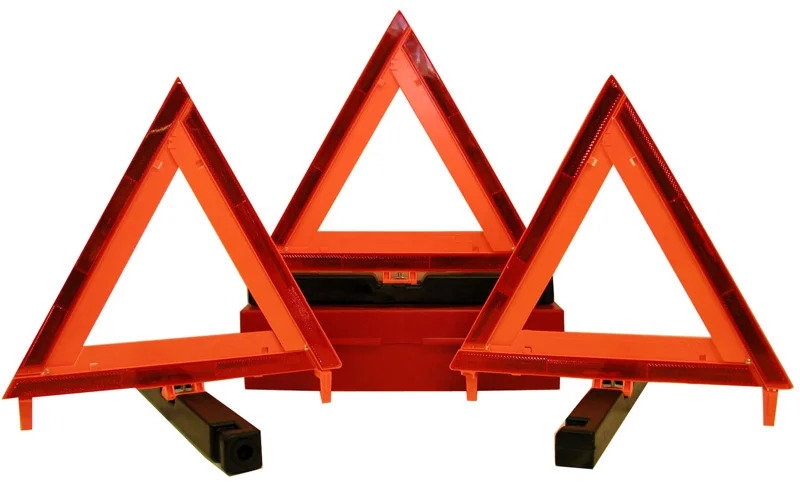
- 4Best for being seen at nightPeterson 449 Warning Triangle Kit (3-pack)View at PetersonRead our analysis
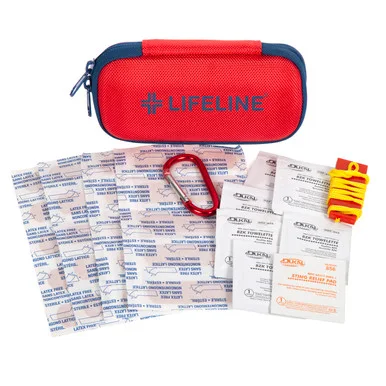
- 5Best compact first aid for the glove boxLifeline Small Hard-Shell Foam First Aid Kit 30-PieceView at LifelineRead our analysis
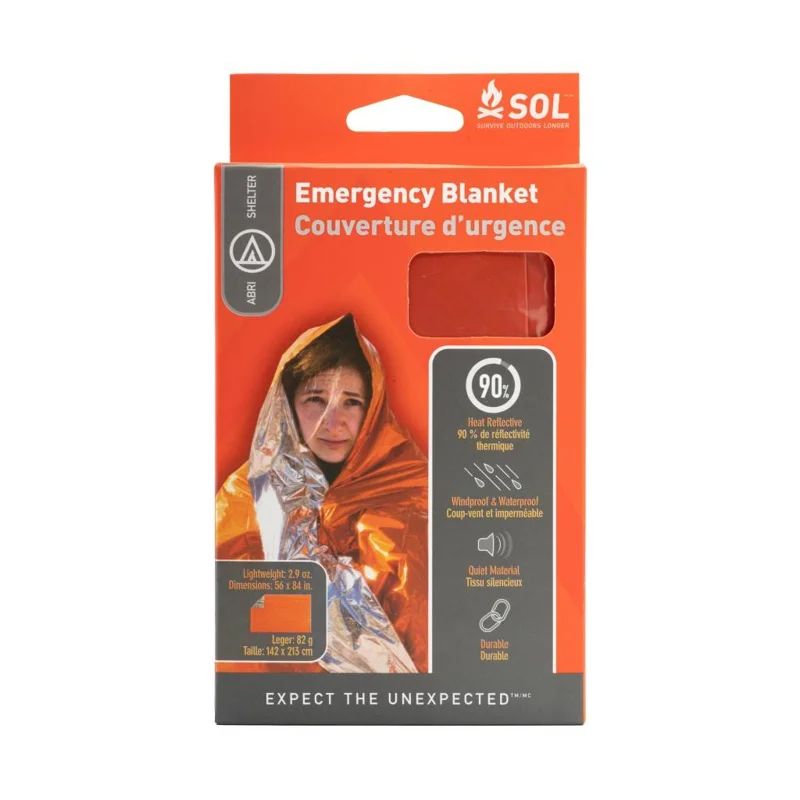
- 6Best cheap warmth for a winter breakdownSOL Emergency BlanketView at SOLRead our analysis
Car kit emergency supplies do two jobs. They help when the car breaks down on the side of the road. They also keep you safe if you spend hours in evacuation traffic or get stuck in snow. A kit built for both jobs is not much bigger than one built for either.
#1. Lifeline AAA Excursion Road Kit 76-Piece: best all-round pre-made car kit
Lifeline AAA Excursion Road Kit 76-Piece
Our verdict:
Best all-round pre-made car kit
Best for getting the basic roadside tools into the trunk in one purchase.
View at LifelineKeep in mind: add water, food and a blanket for the people travelling in the car.
Standout: jumper cables and common roadside items packed in one organizer bag that fits a back seat or trunk. Compare options in our best car emergency kit picks.
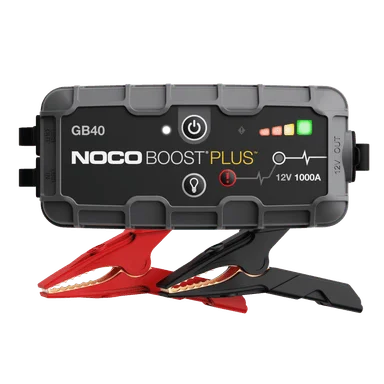
#2. NOCO Boost Plus GB40 Jump Starter: best way to restart a dead battery alone
NOCO Boost Plus GB40 Jump Starter
Our verdict:
Best way to restart a dead battery alone
Best for drivers who may be stuck with no second car to jump from.
View at NOCOKeep in mind: it only works if it is charged. Check its charge before long trips.
Standout: a portable lithium jump box that the listing rates for gas engines up to 6.0 L, with built-in protections such as reverse polarity protection. Compare options in our best car emergency kit picks.
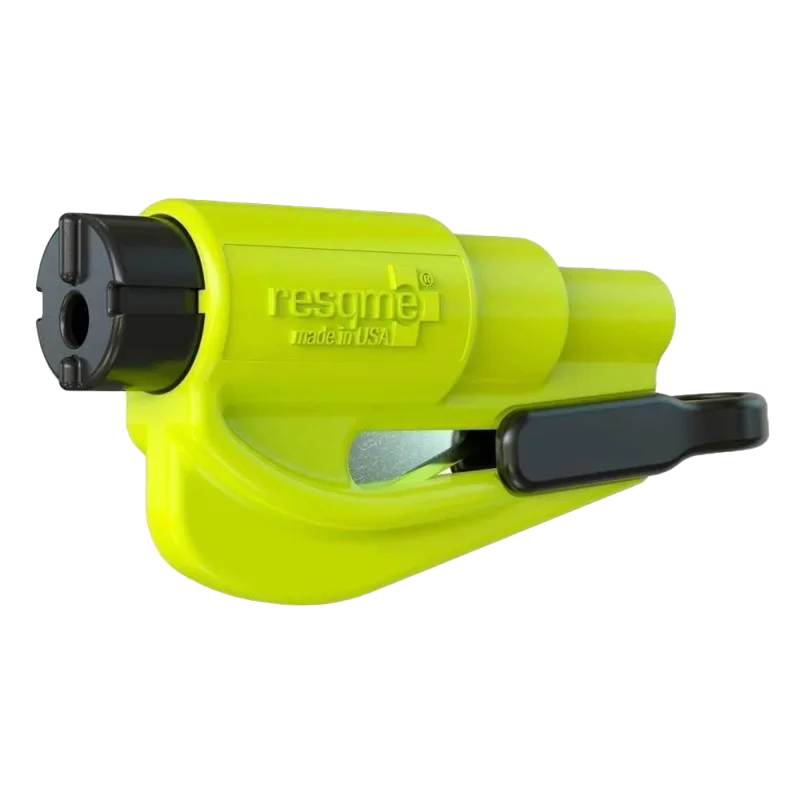
#3. resqme Original Car Escape Tool: best small safety tool
resqme Original Car Escape Tool
Our verdict:
Best small safety tool
Best for keeping within reach of the driver's seat.
View at resqmeKeep in mind: it only helps if you can reach it. Mount it in the car, not in the trunk.
Standout: a compact seat belt cutter and spring-loaded breaker for tempered side glass. Choose the pack quantity you need, and keep the tool within reach of the driver.
Compare our roadside emergency kit picks.
#4. Peterson 449 Warning Triangle Kit (3-pack): best for being seen at night
Peterson 449 Warning Triangle Kit (3-pack)
Our verdict:
Best for being seen at night
Best for warning other drivers when you are stopped on the shoulder.
View at PetersonKeep in mind: set them well behind the car, and only when it is safe to walk there.
Standout: three reflective triangles that fold into a plastic storage box, matching the reflective triangle on Ready.gov's list. Compare options in our roadside emergency kit picks.
#5. Lifeline Small Hard-Shell Foam First Aid Kit 30-Piece: best compact first aid for the glove box
Lifeline Small Hard-Shell Foam First Aid Kit 30-Piece
Our verdict:
Best compact first aid for the glove box
Best for small cuts and scrapes on the road.
View at LifelineKeep in mind: add personal medicines and a first aid guide. The maker dealer listing uses a six-kit case pack; check the purchase quantity.
Standout: a 30-piece kit in a compact hard-shell foam case that the maker specifically describes as suitable for a car glove box. It includes bandages, antiseptic towelettes, a sting-relief pad, an emergency whistle and a carabiner.
Compare our best car emergency kit picks.
#6. SOL Emergency Blanket: best cheap warmth for a winter breakdown
Our verdict:
Best cheap warmth for a winter breakdown
Best for a winter breakdown or a long, cold wait.
View at SOLKeep in mind: it is thin. In cold climates, keep a wool blanket and warm clothes in the car too.
Standout: a compact reflective polyethylene blanket that folds very small. This is a single blanket; pack enough for everyone in the car. Compare options in our emergency preparedness products guide.
Factors to consider when choosing car kit emergency supplies
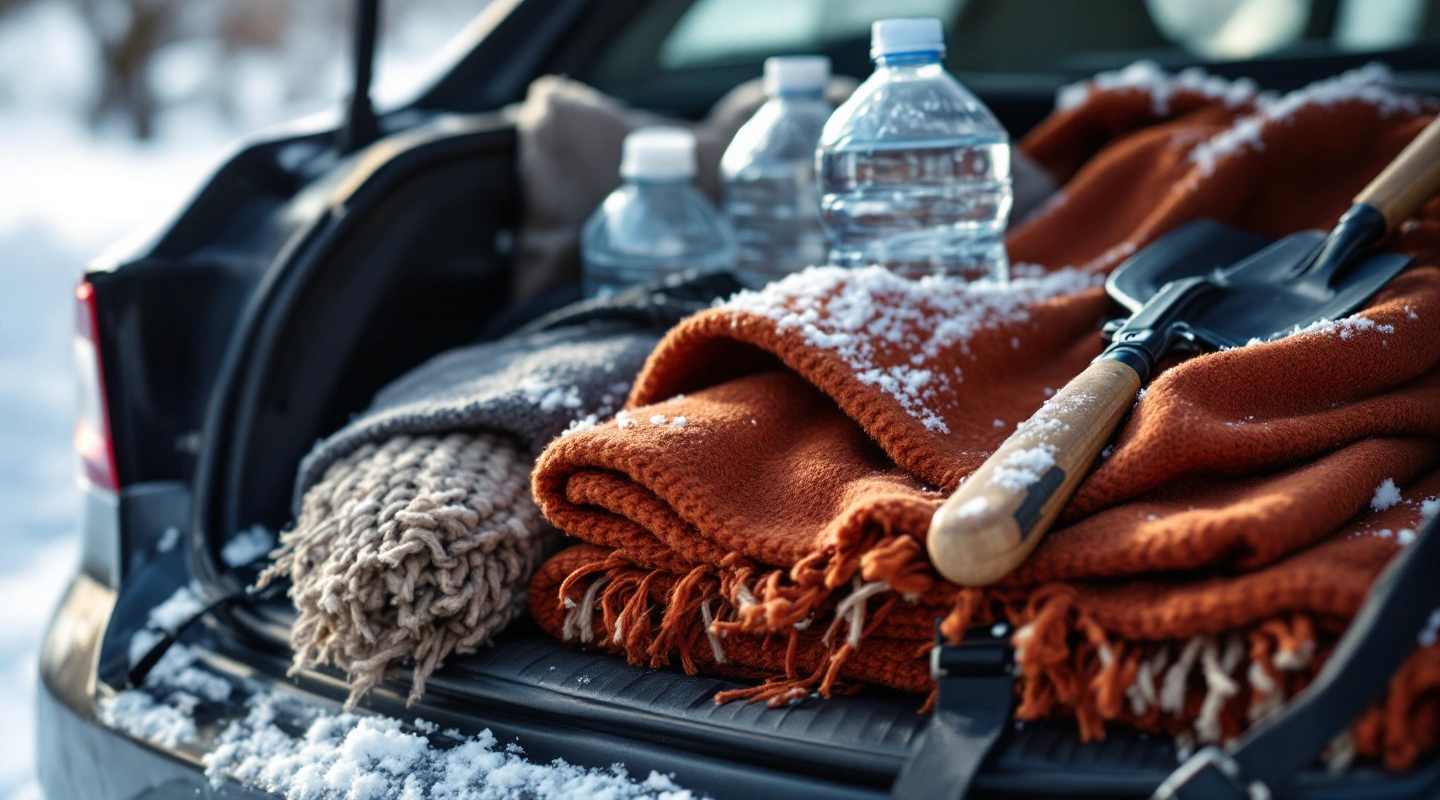
We started from Ready.gov's car safety page. It lists jumper cables, flares or a reflective triangle, an ice scraper and a car phone charger. It also lists a blanket, a map, and cat litter or sand for traction.
We then picked real products that cover those needs and the gaps most pre-made kits leave. Details come from each listing, so check the current page before you buy.
Car kit emergency supplies checklist
Use this list to build or top up your kit. The first group comes from Ready.gov's car page. The rest fills common gaps.
Ready.gov's car basics
- Jumper cables
- Flares or a reflective triangle
- An ice scraper
- A car phone charger
- A blanket
- A paper map
- Cat litter or sand for traction
For you and your passengers
- Bottled water and snacks that hold up in heat
- A flashlight with spare batteries
- A first aid kit and any daily medicine
- Warm clothes, gloves and a hat in winter
- A battery or crank radio for news if phones are slow. See the emergency radio guide.
Car kit emergency supplies for evacuation traffic
In an evacuation, the road can be the hardest part. Traffic can crawl for hours, and gas stations can run short. Ready.gov advises keeping your gas tank full in case you need to leave. Keep enough water and food in the car for everyone in it.
Pack a phone charger that runs from the car, and a paper map in case your phone has no signal. The evacuation plan guide covers routes and timing.
Car safety tips from Ready.gov
Ready.gov's car safety page adds a few rules worth remembering:
- Flood water: six inches of water can make a car lose control or stall, and a foot of water will float many cars. Do not drive into flooded roads.
- Downed lines: if a power line falls on your car, stay inside until a trained person removes the wire.
- Slippery roads: turn off cruise control on ice and snow.
- Losing control: if the car gets hard to control, pull over, stop and set the parking brake.
Storing and checking your car kit
Heat and cold are hard on car supplies. Keep the kit in the trunk, out of direct sun, and check it at least twice a year. Replace water and snacks more often than you would at home. Recharge the jump starter and test the flashlight before a road trip or storm season.
More in this guide
- Best car emergency kit: pre-made kits compared, and what each is missing.
- Roadside emergency kit: the tools for a breakdown on the shoulder.
- Car kit: a simple build-it-yourself list.
- Auto transfer switch: how automatic transfer switches connect backup power safely.
More Plainly Prepared guides
- Evacuation and family plans
- Emergency hurricane kit
- Emergency kit for earthquake
- Rain water barrels and water storage
- Emergency radios
Our picks in this topic
4 picks
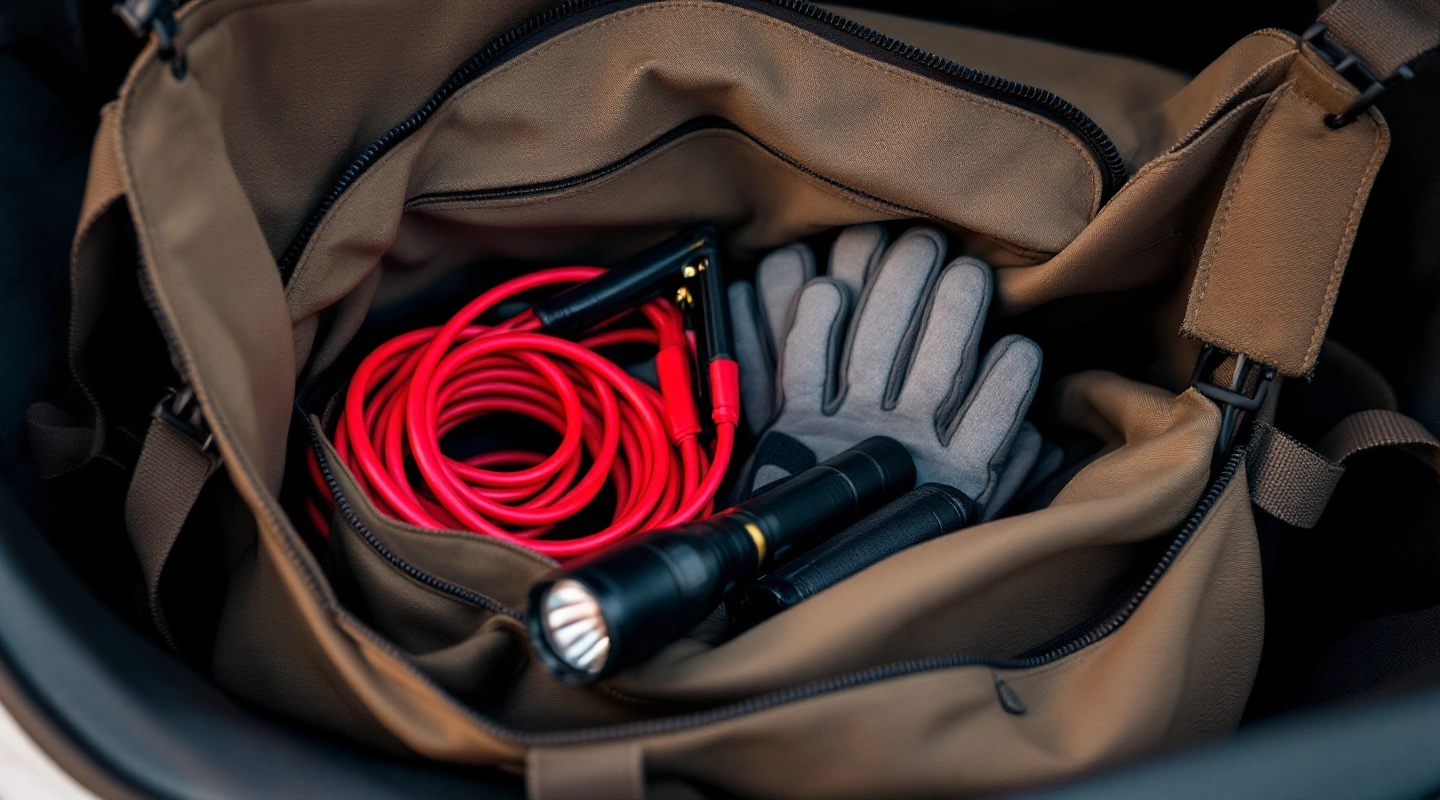
4 Car Kit Essentials: A Simple Build-It-Yourself Emergency List in 2026
How to build a car kit for emergencies from items you own plus a few buys: Ready.gov's list, what to add by season, and four picks to fill the gaps.
5 picks
5 Best Car Emergency Kits and What to Add in 2026
The best car emergency kit is a pre-made roadside kit plus the people supplies it leaves out. Five picks compared, and a checklist of what to add.
5 picks
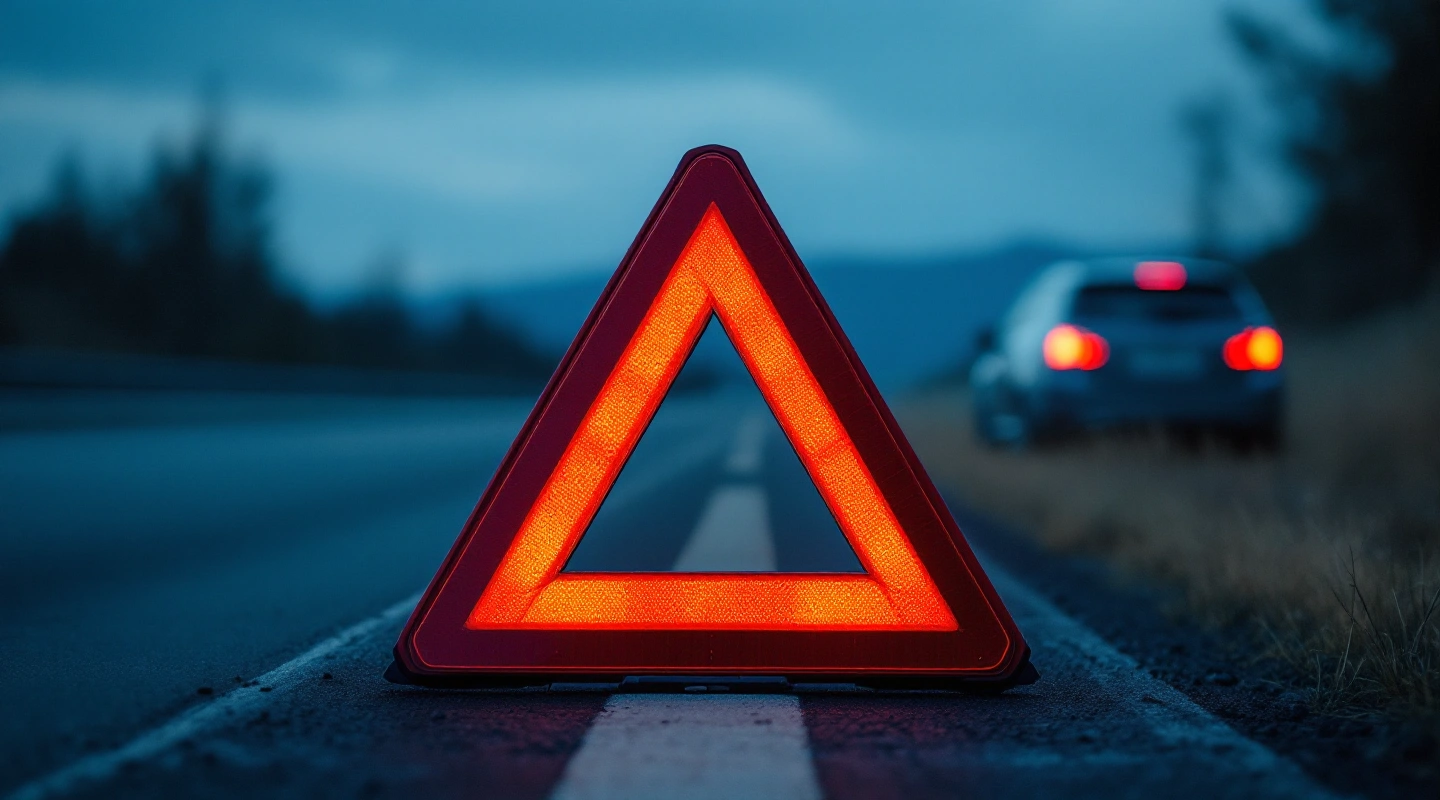
5 Roadside Emergency Kit Picks for a Breakdown in 2026
A roadside emergency kit for breakdowns and flat tires: the tools that matter, Ready.gov's list, safety steps on the shoulder, and five picks compared.
4 picks
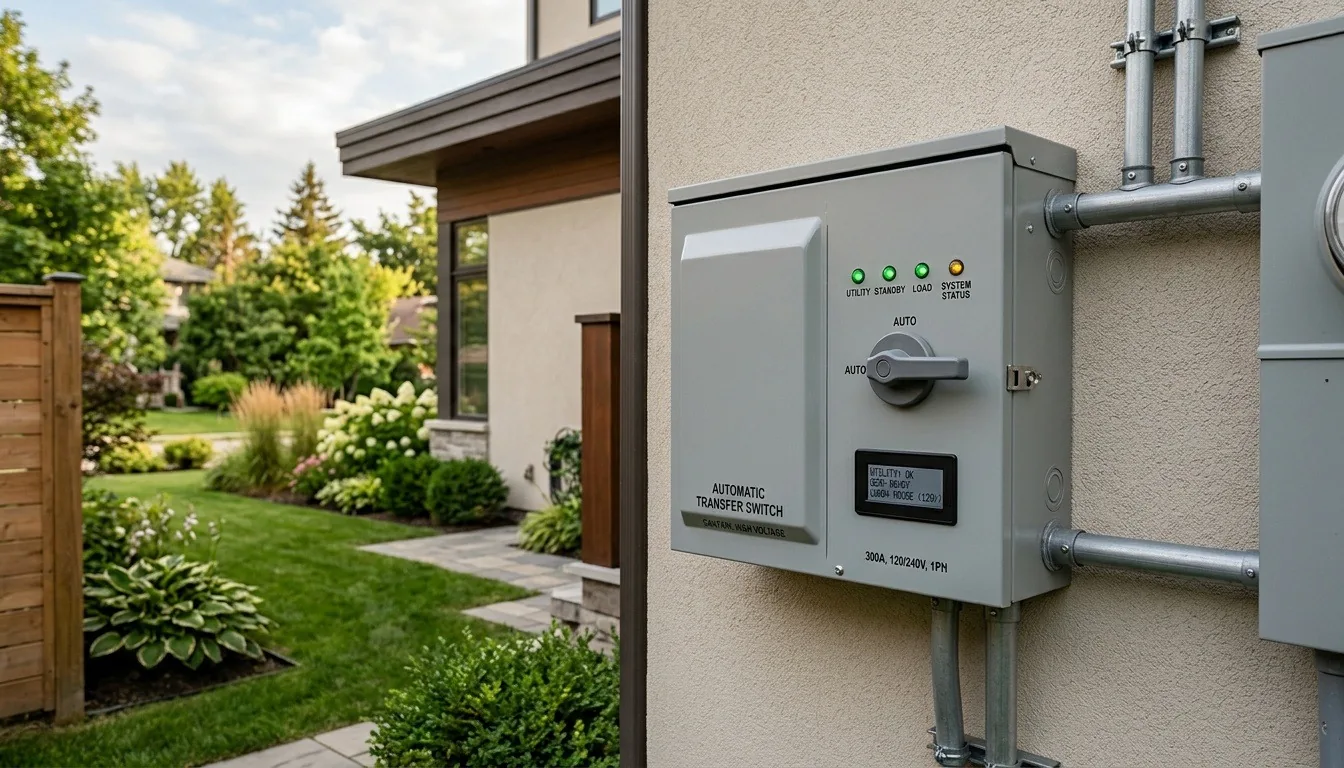
4 Auto Transfer Switch Picks: How They Work and Which Type You Need in 2026
What an auto transfer switch does for backup power, how it differs from a manual switch, why backfeeding is dangerous, and four picks from standby to RV.
Questions people also ask
What emergency supplies should I keep in my car?
Ready.gov lists jumper cables, flares or a reflective triangle, an ice scraper, a car phone charger, a blanket, a map, and cat litter or sand for traction. Add water, snacks, a flashlight and a first aid kit.
How is a car kit different from a go-bag?
A go-bag assumes you are on foot. A car kit assumes you are in the vehicle, maybe stuck in traffic for hours, so it can be heavier and include car tools.
Should I keep water in a hot car?
Yes, but check it often. Heat is hard on stored water and food, so swap car supplies more often than your home kit, and keep them out of direct sun.
Is a pre-made roadside kit enough?
It is a good start. Most cover cables, a triangle and basic tools. Add water, food, a blanket and any medicine yourself.