
6 Emergency Preparedness Products Worth Buying First in 2026
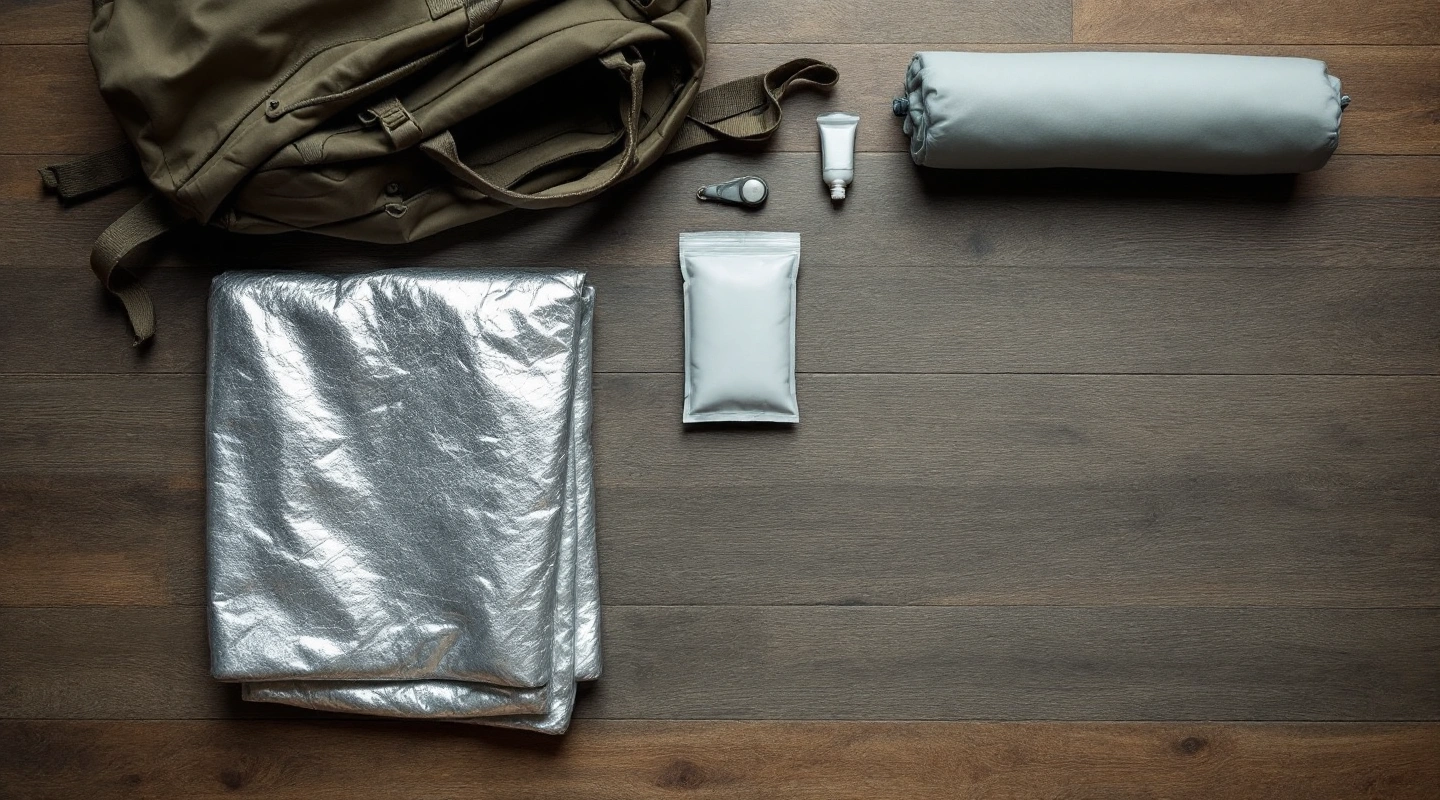
The short answer
Buy emergency preparedness products to fill gaps in the official supply list, not to replace it. A kit, a radio and a way to treat water cover most of those gaps.
Last updated September 2026
Contents9
- #1. Ready America 72 Hour Deluxe Kit: best all-in-one starting point
- #2. Ready America 2-Person 3-Day Kit: best for couples and small homes
- #3. FosPower A1 Crank Radio: best for alerts without power
- #4. LifeStraw Personal Water Filter: best backup for found water
- #5. SOL Emergency Blanket: best cheap warmth
- #6. ReadyWise 72-Hour Food Kit: best long shelf-life food
- Factors to consider when choosing emergency preparedness products
- How we picked these emergency preparedness products
- Keeping your products ready
Our top 6 picks
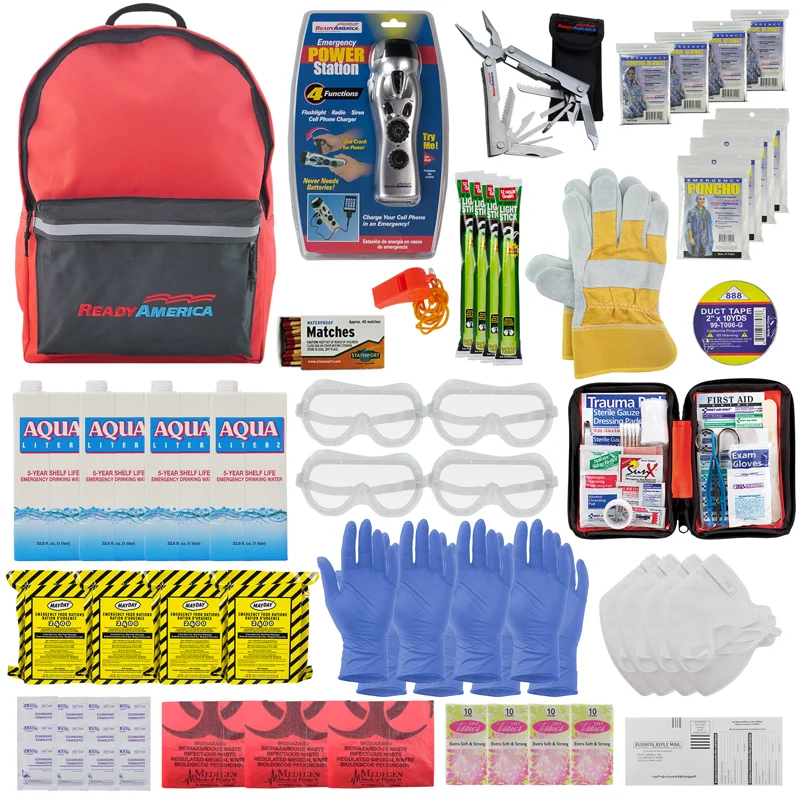
- 1Best all-in-one starting pointReady America 4-Person 72-Hour Deluxe KitView at Ready AmericaRead our analysis
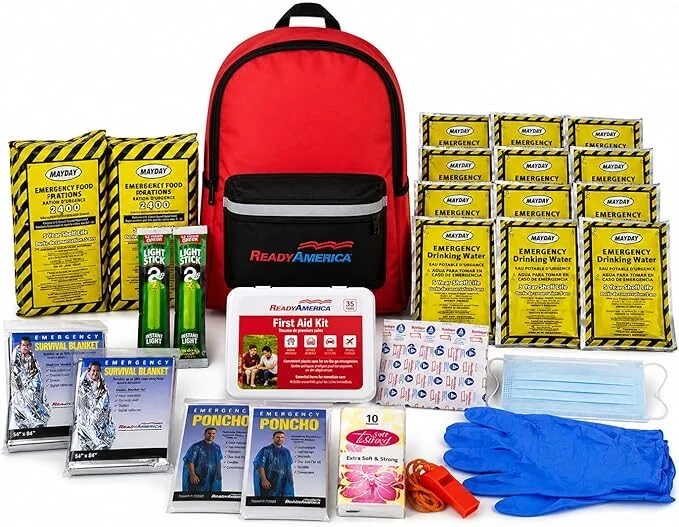
- 2Best for couples and small homesReady America 2-Person 3-Day KitView at Ready AmericaRead our analysis
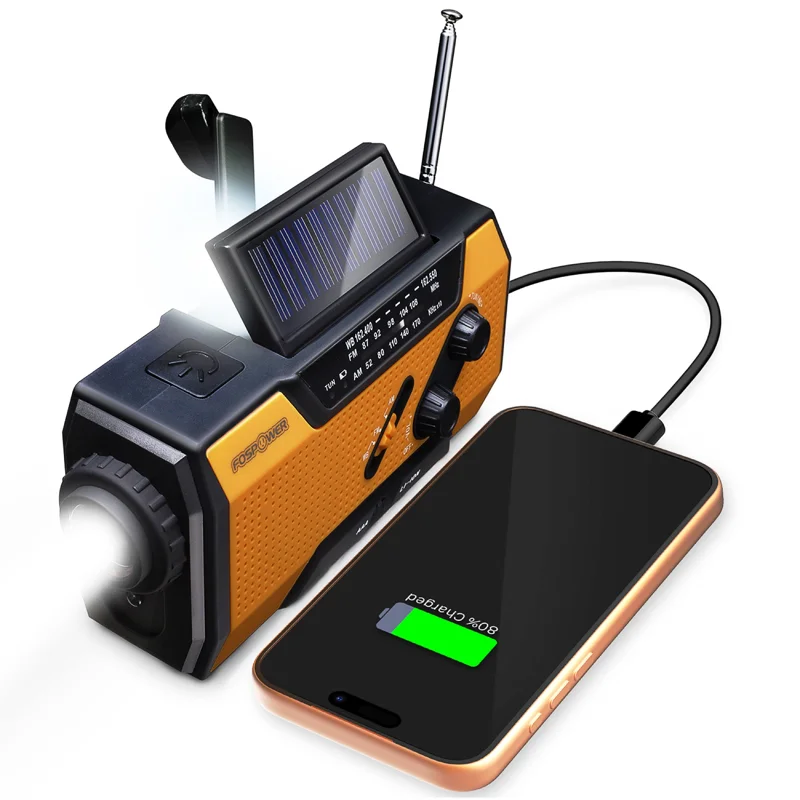
- 3Best for alerts without powerFosPower A1 Emergency Weather RadioView at FosPowerRead our analysis
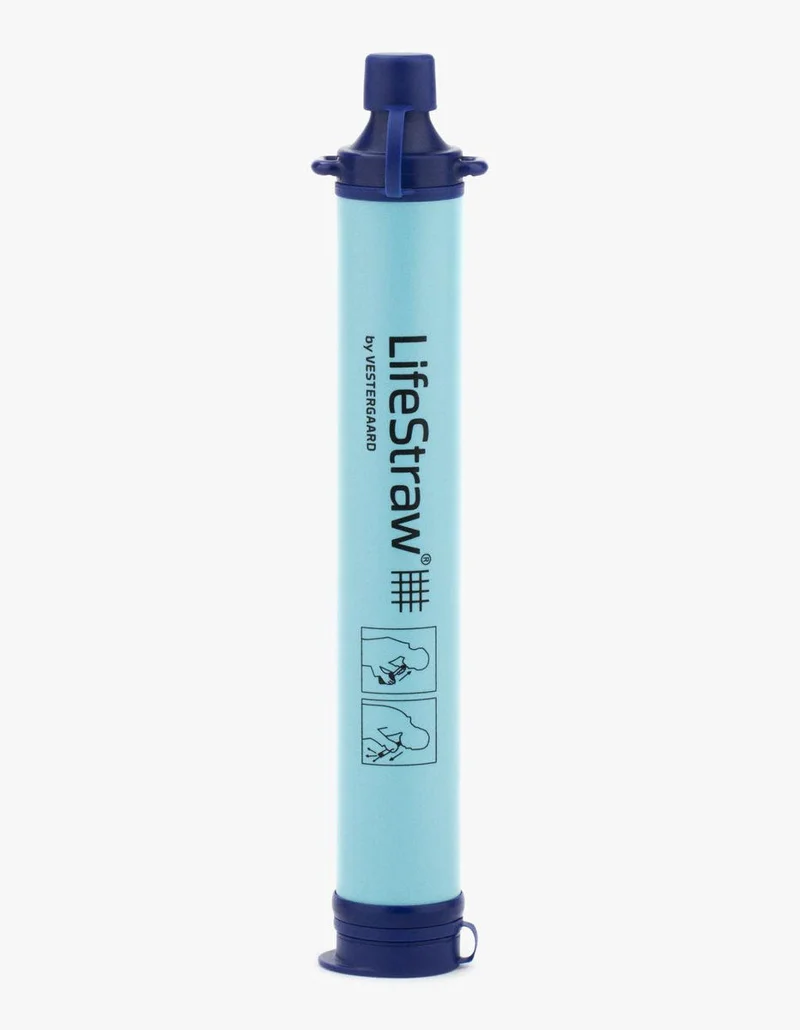
- 4Best backup for found waterLifeStraw Personal Water FilterView at LifeStrawRead our analysis
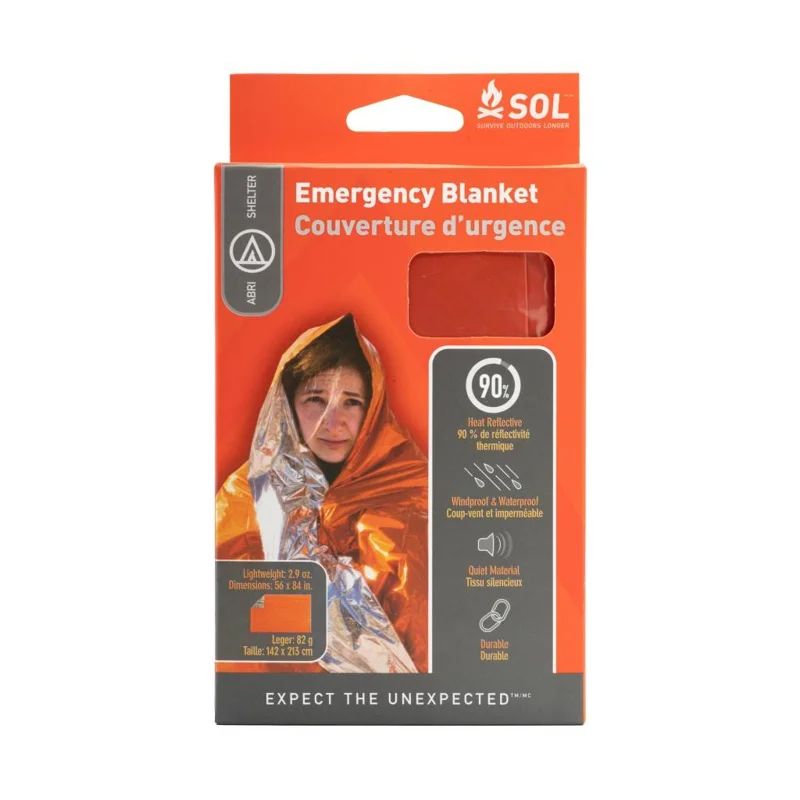
- 5Best cheap warmthSOL Emergency BlanketView at SOLRead our analysis
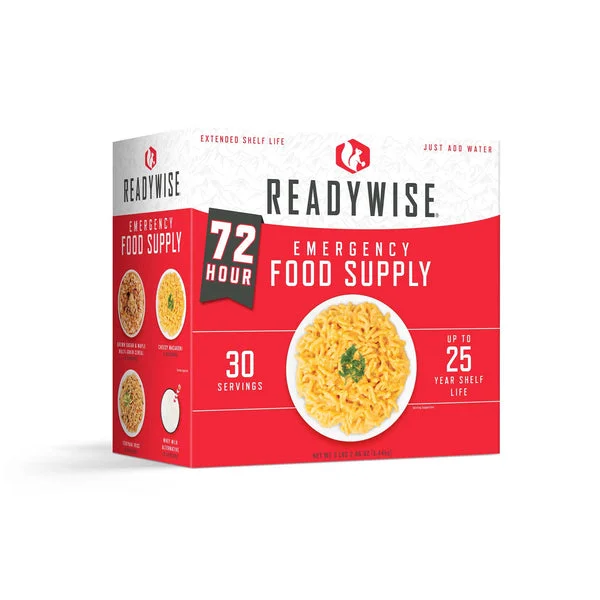
- 6Best long shelf-life foodReadyWise 72-Hour Emergency Food KitView at ReadyWiseRead our analysis
Emergency preparedness products are easy to overbuy. The shelves are full of gear, but the official supply lists are short. This guide picks six products that fill the most common gaps in a basic kit, and it says what each one does not do.
#1. Ready America 72 Hour Deluxe Kit: best all-in-one starting point
Ready America 4-Person 72-Hour Deluxe Kit
Our verdict:
Best all-in-one starting point
Best for a household of four that wants the basics in one bag, fast.
View at Ready AmericaKeep in mind: three days of supplies is the minimum, not the goal. Add more water and your own medicine.
#2. Ready America 2-Person 3-Day Kit: best for couples and small homes
Ready America 2-Person 3-Day Kit
Our verdict:
Best for couples and small homes
Best for two people, or a second bag kept in the car.
View at Ready AmericaKeep in mind: it has no radio. Pair it with one of the radios below.
#3. FosPower A1 Crank Radio: best for alerts without power
FosPower A1 Emergency Weather Radio
Our verdict:
Best for alerts without power
Best for hearing NOAA weather alerts and local news when the power and phones are down.
View at FosPowerKeep in mind: crank and solar power are slow. Keep it charged and store spare batteries.
#4. LifeStraw Personal Water Filter: best backup for found water
LifeStraw Personal Water Filter
Our verdict:
Best backup for found water
Best for a go-bag, or as a backup if stored water runs low.
View at LifeStrawKeep in mind: it does not treat viruses or chemicals, and it only works while you drink through it. It stretches stored water. It does not replace it.
#5. SOL Emergency Blanket: best cheap warmth
Our verdict:
Best cheap warmth
Best for every go-bag and car kit, since it folds down very small.
View at SOLKeep in mind: it is thin and noisy. It helps retain heat but is not a sleeping bag.
#6. ReadyWise 72-Hour Food Kit: best long shelf-life food
ReadyWise 72-Hour Emergency Food Kit
Our verdict:
Best long shelf-life food
Best for a go-bag or a stash you rarely touch.
View at ReadyWiseKeep in mind: it needs water to cook, so it adds to your water needs. For home storage, canned food you already eat is cheaper.
Factors to consider when choosing emergency preparedness products
Before you buy anything, pull together what you already own. Most homes have a flashlight, batteries, a first aid box and some shelf food. Then use this order to fill the gaps:
- Water first. Ready.gov uses one gallon per person per day. Stored water matters more than any gadget.
- A way to get alerts. A battery or crank radio keeps working when cell service fails.
- Light. Flashlights beat candles, which are a fire risk.
- First aid and medicine. Add a spare supply of daily medicine if your doctor agrees.
- Warmth and shelter. Blankets and ponchos weigh little and help in almost any event.
Skip products that promise to replace a plan. No kit tells your family where to meet or who to call. The family emergency plan guide covers that part, and it costs nothing.
How we picked these emergency preparedness products
We started from two official lists: Ready.gov's build-a-kit list and the American Red Cross supply list. Both name water, food, a radio, light, first aid and a few tools. We then picked real products that cover those needs, and we left out gear that the lists do not call for.
The details below come from each product's listing, so check the current page before you buy.
Keeping your products ready
Store the kit where you can grab it fast, like a hall closet or near the door. Check it twice a year. Swap old food and water, test the radio, and replace dead batteries. Write the date you checked it on a card inside the bag, so the next check is easy to remember.
Questions people also ask
What emergency preparedness products should I buy first?
Start with what the official lists name and you do not already own: stored water, a battery or crank radio, a flashlight, and a first aid kit. A pre-made kit can cover several of these at once.
Are pre-made emergency kits worth it?
They save time and put the basics in one bag. Most need extra water, medicine and personal items added by hand, since no kit knows your household.
How often should I check emergency preparedness products?
Check them twice a year. Replace expired food and water, test the radio and flashlight, and swap out used batteries.