
7 Prepper Supplies to Buy First, Plus the Full List by Category in 2026
The short answer
Good prepper supplies follow the official list in order: water, food, light, radio, first aid, then tools. Buy the boring basics before any specialist gear.
Last updated September 2026
Contents11
- #1. Augason Farms 55-Gallon Water Storage and Treatment Kit: best bulk water storage
- #2. Ready Store 20-Gallon Stackable Water Container Kit (4 x 5-Gallon): best portable water storage
- #3. Sawyer Mini Water Filter: best compact water backup
- #4. Midland ER310 Crank Radio: best for news with no power
- #5. Ready America 4-Person Kit: best ready-made base kit
- #6. Potable Aqua Water Purification Tablets (50-count): best light backup water treatment
- #7. Light My Fire Swedish FireSteel Army 2in1: best for starting a fire outdoors
- Factors to consider when choosing prepper supplies
- Prepper supplies by category
- Prepper supplies mistakes to avoid
- Storing and rotating prepper supplies
Our top 7 picks
- 1Best bulk water storageAugason Farms 55-Gallon Water Storage and Treatment KitView at Augason FarmsRead our analysis
- 2Best portable water storageReady Store 20-Gallon Stackable Water Container Kit (4 x 5-Gallon)View at Ready StoreRead our analysis
- 3Best compact water backupSawyer Mini Water FilterView at SawyerRead our analysis
- 4Best for news with no powerMidland ER310 Emergency Crank RadioView at MidlandRead our analysis
- 5Best ready-made base kitReady America 4-Person 72-Hour Deluxe KitView at Ready AmericaRead our analysis
- 6Best light backup water treatmentPotable Aqua Water Purification Tablets (50-count)View at Potable AquaRead our analysis
- 7Best for starting a fire outdoorsLight My Fire Swedish FireSteel Army 2in1View at Light My FireRead our analysis
Prepper supplies lists online can run to hundreds of items. Most households need far fewer. The official lists from Ready.gov and the Red Cross cover the core, and a few extras make the core work better. This guide sorts prepper supplies by category, in the order to buy them, with seven real picks.
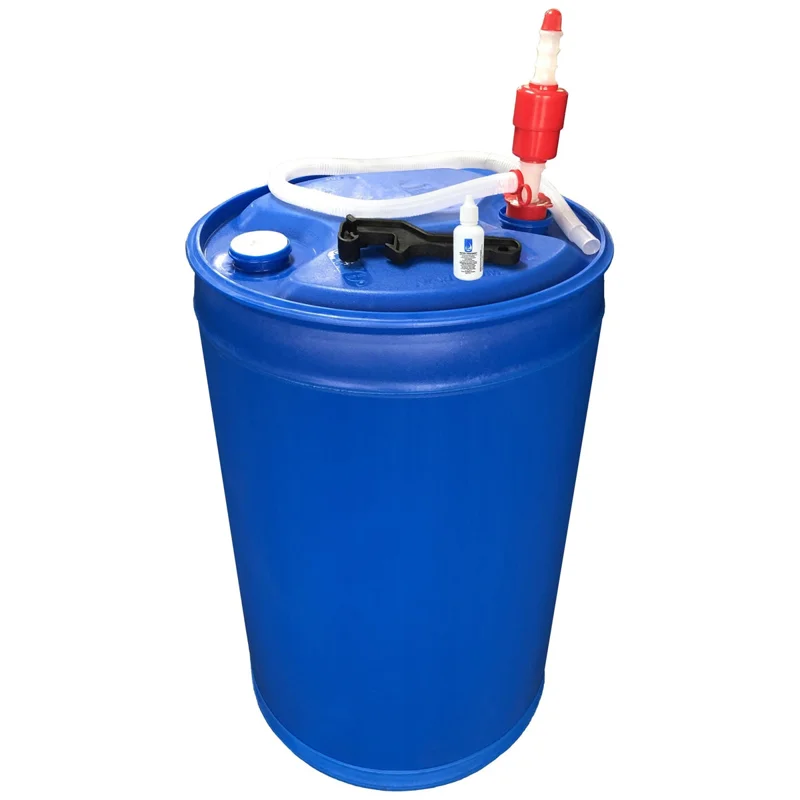
#1. Augason Farms 55-Gallon Water Storage and Treatment Kit: best bulk water storage
Augason Farms 55-Gallon Water Storage and Treatment Kit
Our verdict:
Best bulk water storage
Best for a home supply that covers a family for weeks.
View at Augason FarmsKeep in mind: a full barrel is too heavy to carry. Store the included drawing equipment with it and leave access to the top fittings.
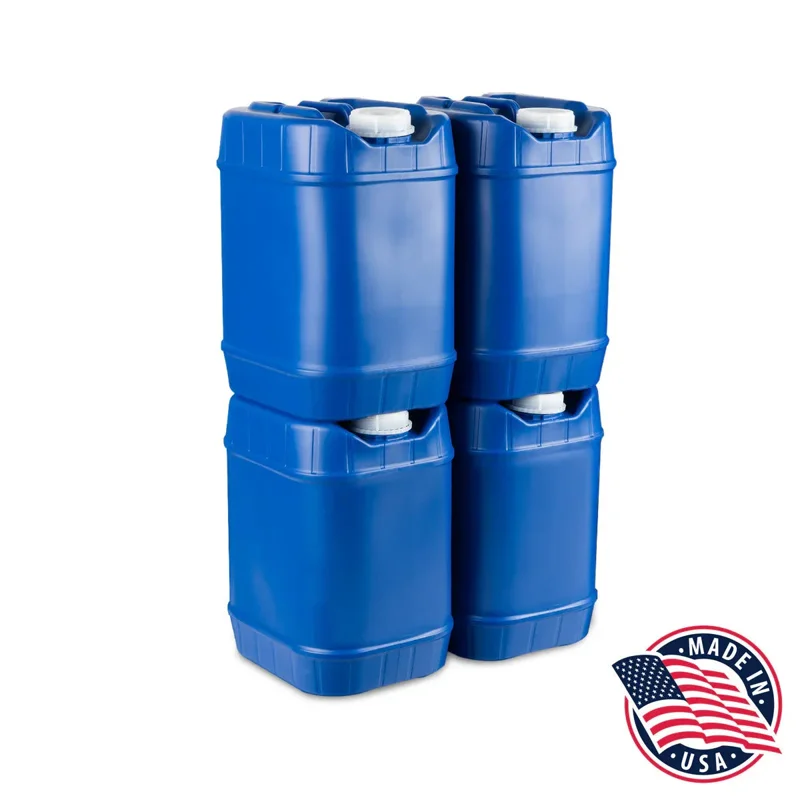
#2. Ready Store 20-Gallon Stackable Water Container Kit (4 x 5-Gallon): best portable water storage
Ready Store 20-Gallon Stackable Water Container Kit (4 x 5-Gallon)
Our verdict:
Best portable water storage
Best for water you may need to carry, or homes without room for a barrel.
View at Ready StoreKeep in mind: each one is heavy when full. Keep them low, not on high shelves.
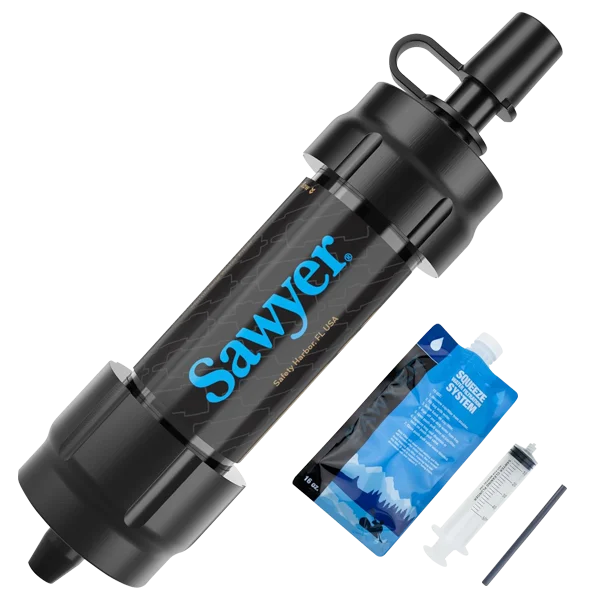
#3. Sawyer Mini Water Filter: best compact water backup
Our verdict:
Best compact water backup
Best for a go-bag or car kit, as a backup to stored water.
View at SawyerKeep in mind: filters like this target bacteria and protozoa. They do not remove chemicals, and they are not rated for viruses.
#4. Midland ER310 Crank Radio: best for news with no power
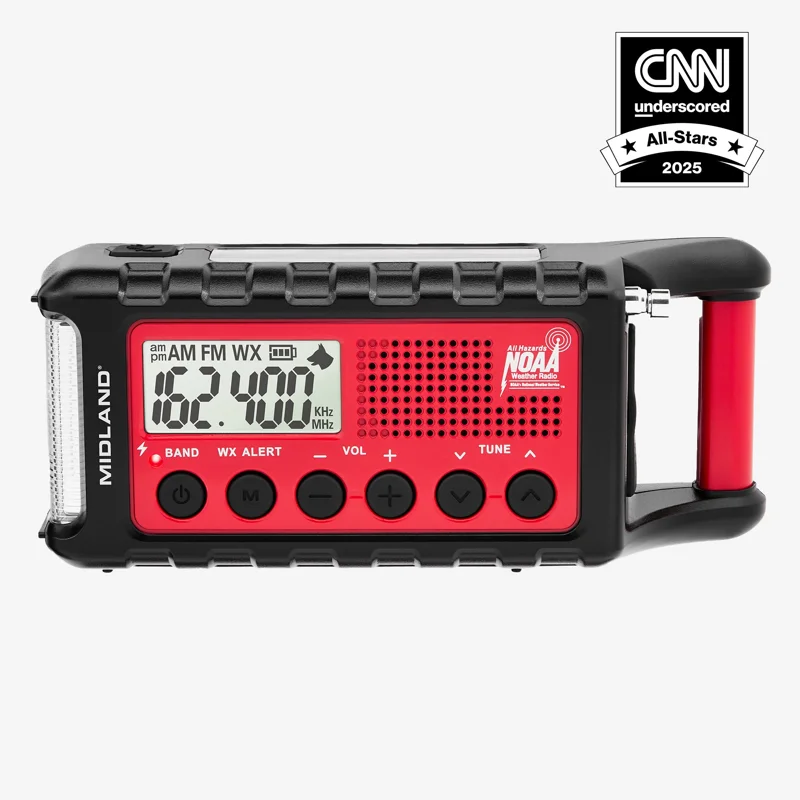
Midland ER310 Emergency Crank Radio
Our verdict:
Best for news with no power
Best for NOAA weather alerts and AM/FM news during a long outage.
View at MidlandKeep in mind: it is bulkier than a small battery radio.
#5. Ready America 4-Person Kit: best ready-made base kit
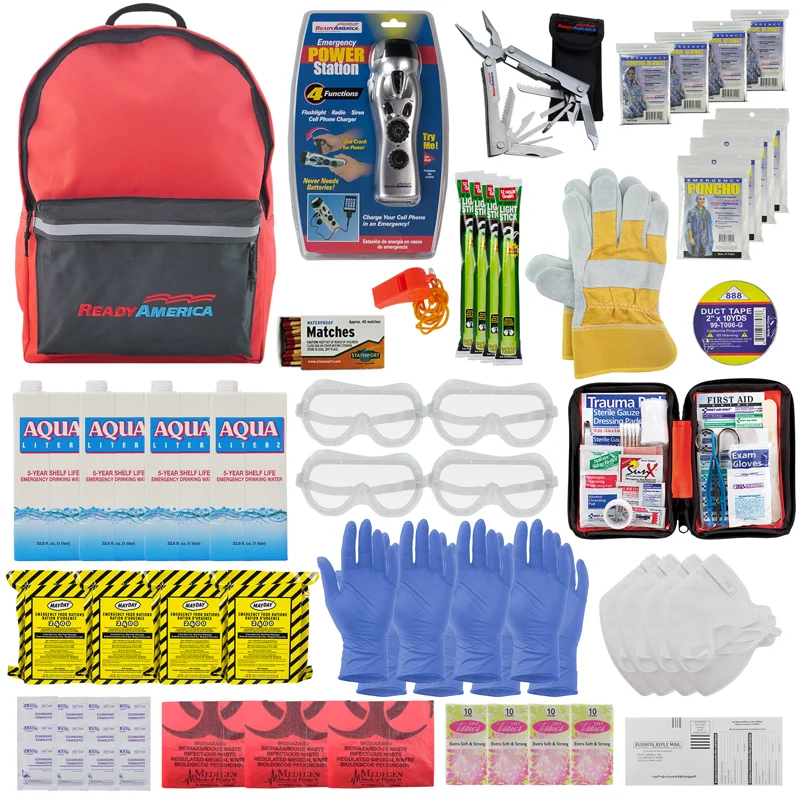
Ready America 4-Person 72-Hour Deluxe Kit
Our verdict:
Best ready-made base kit
Best for getting a whole household to a three-day baseline in one purchase.
View at Ready AmericaKeep in mind: three days is a floor. Build toward two weeks of water and food at home.
#6. Potable Aqua Water Purification Tablets (50-count): best light backup water treatment
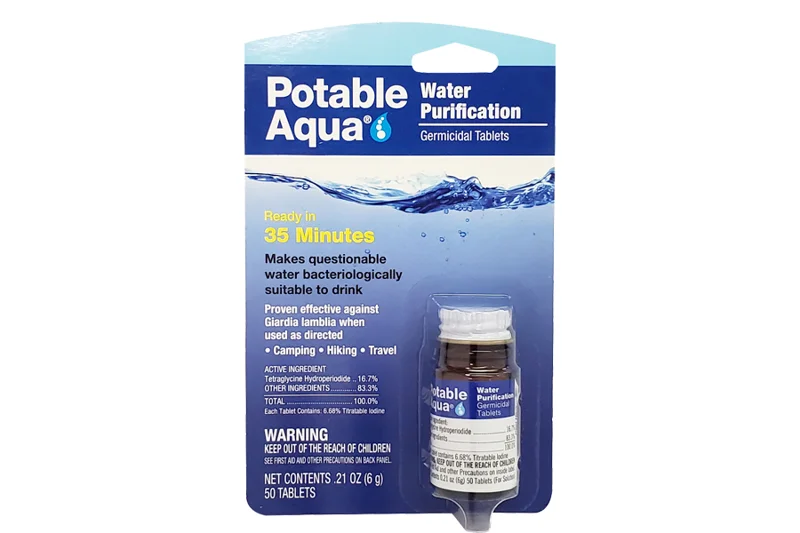
Potable Aqua Water Purification Tablets (50-count)
Our verdict:
Best light backup water treatment
Best for treating water when you cannot boil it and a filter is not handy.
View at Potable AquaKeep in mind: follow the label for dose and wait time. Tablets do not remove dirt, so let cloudy water settle or strain it first.
#7. Light My Fire Swedish FireSteel Army 2in1: best for starting a fire outdoors
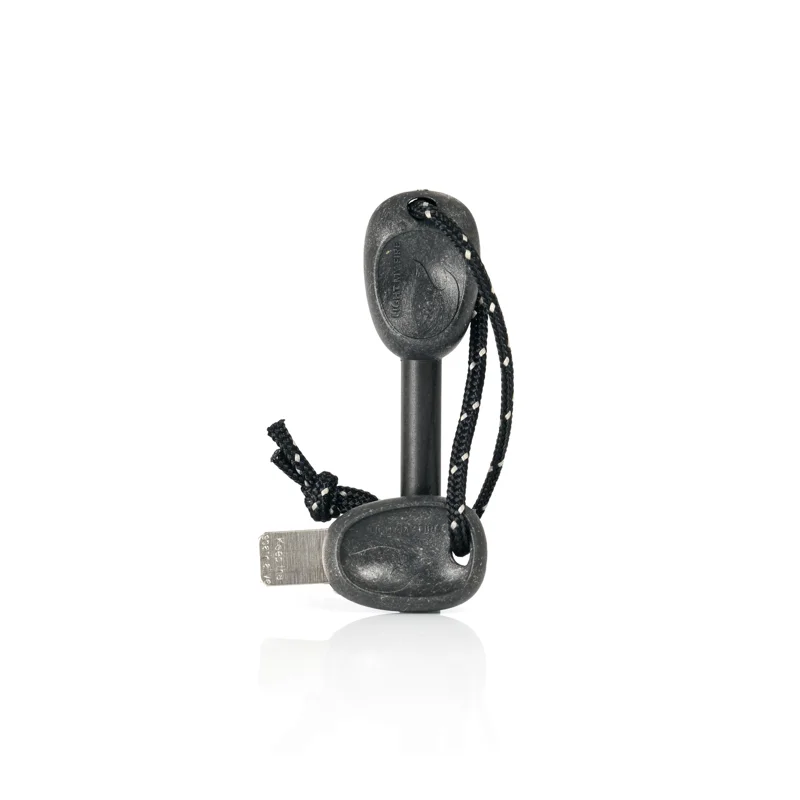
Light My Fire Swedish FireSteel Army 2in1
Our verdict:
Best for starting a fire outdoors
Best for camping, or an outdoor stove or grill in a long outage.
View at Light My FireKeep in mind: it takes practice. Learn to use it before you need it, and never burn anything indoors for heat.
Factors to consider when choosing prepper supplies
We matched each pick to a need named on Ready.gov's build-a-kit list or the American Red Cross supply list. We favored items that work without power and last in storage. Details come from each product's listing, so check the current page before you buy.
Prepper supplies by category
Use this list to check what you have. Buy from the top down.
Water
- One gallon per person per day, as the official lists say.
- A two-week home supply as the goal, and three days in a go-bag.
- A filter or tablets as backup, plus unscented household bleach if you learn the CDC's steps for treating water first.
Food
- Canned and dry food your household already eats.
- A manual can opener.
- Baby food, special diets and pet food if you need them.
Light and power
- Flashlights or headlamps with spare batteries.
- A battery pack for each phone.
- Backup power, if your needs call for it. Follow the CDC's carbon monoxide rules: never run a generator indoors or in a garage.
Communication
- A battery or crank radio with NOAA weather band.
- A whistle to signal for help.
- A written list of key phone numbers.
First aid and health
- A first aid kit and a guide to using it.
- A spare supply of daily medicine, if your doctor agrees.
- Glasses, hearing aid batteries and other personal items.
Tools and shelter
- A wrench or pliers to turn off utilities.
- Duct tape, plastic sheeting and work gloves.
- Emergency blankets and rain ponchos.
Documents and money
- Copies of IDs, insurance and medical records in a waterproof pouch.
- Some cash in small bills.
Prepper supplies mistakes to avoid
- Buying gear before storing water. Water is the one thing you cannot go without for long.
- Stocking food nobody eats. It expires, then gets thrown away.
- Buying every gadget at once. Spread purchases out and fill real gaps first.
- Forgetting to rotate. Old batteries leak, and old water should be replaced.
- Skipping the plan. No supply list tells your family where to meet. The family emergency plan guide covers that.
Storing and rotating prepper supplies
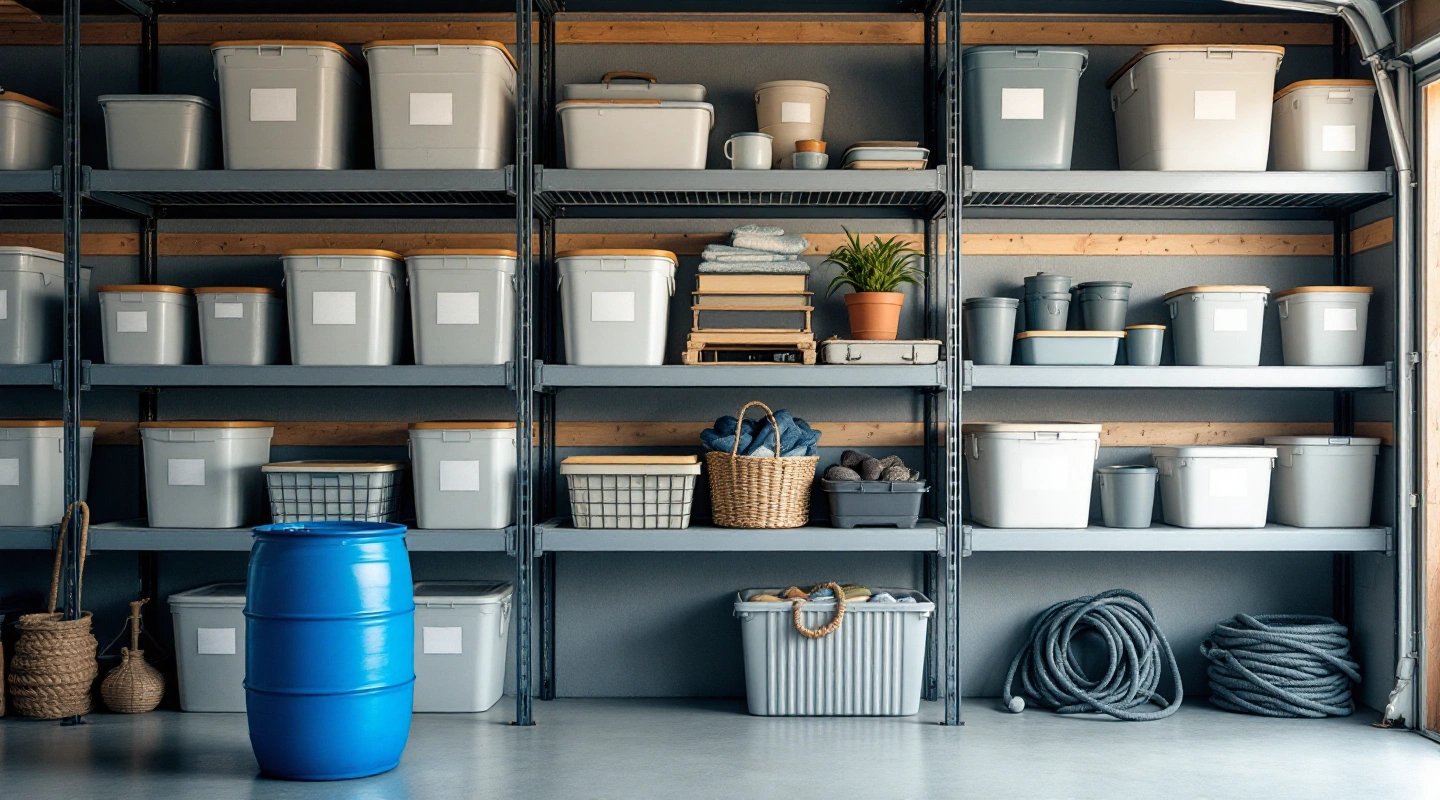
Keep supplies cool, dry and out of direct sun. Heat shortens the life of food, water and batteries. Group items by category in labeled bins, so anyone in the house can find the first aid kit in the dark.
Check everything twice a year.
Eat and replace food near its date. Replace home-filled water every six months, as the CDC advises. Test radios and flashlights, and swap any batteries that are low. A short, regular check keeps a modest supply ready. A huge supply that nobody checks can fail right when you need it.
For the habit behind these supplies, see the prepping guide.
Questions people also ask
What are the most important prepper supplies?
Water comes first, at one gallon per person per day. Then shelf-stable food, a battery or crank radio, flashlights, a first aid kit and any medicine your household needs.
How much water should a prepper store?
The American Red Cross suggests a two-week supply for staying at home and three days for leaving. The CDC says to replace home-filled water every six months.
Do preppers need freeze-dried food?
Not to start. Canned and dry food you already eat is cheaper and easy to rotate. Freeze-dried meals help most in a go-bag or for long-term storage you rarely touch.
Where should I store prepper supplies?
Somewhere cool, dry and easy to reach, like a closet or under a bed. Keep a smaller go-bag near the door or in the car for leaving fast.