
4 Car Kit Essentials: A Simple Build-It-Yourself Emergency List in 2026
The short answer
A good car kit starts with Ready.gov's short list and a sturdy bin. Add water, a flashlight and first aid, then adjust for the season.
Last updated September 2026
Contents9
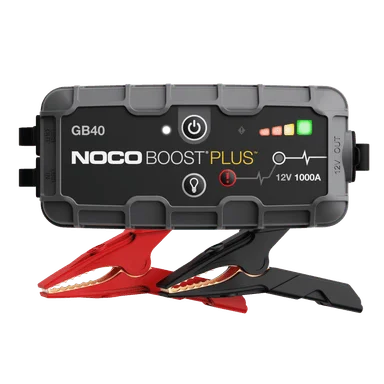
- #1. NOCO Boost Plus GB40 Jump Starter: best for a dead battery
- #2. Peterson 449 Warning Triangle Kit (3-pack): best for being seen
- #3. Lifeline Small Hard-Shell Foam First Aid Kit 30-Piece: best compact first aid
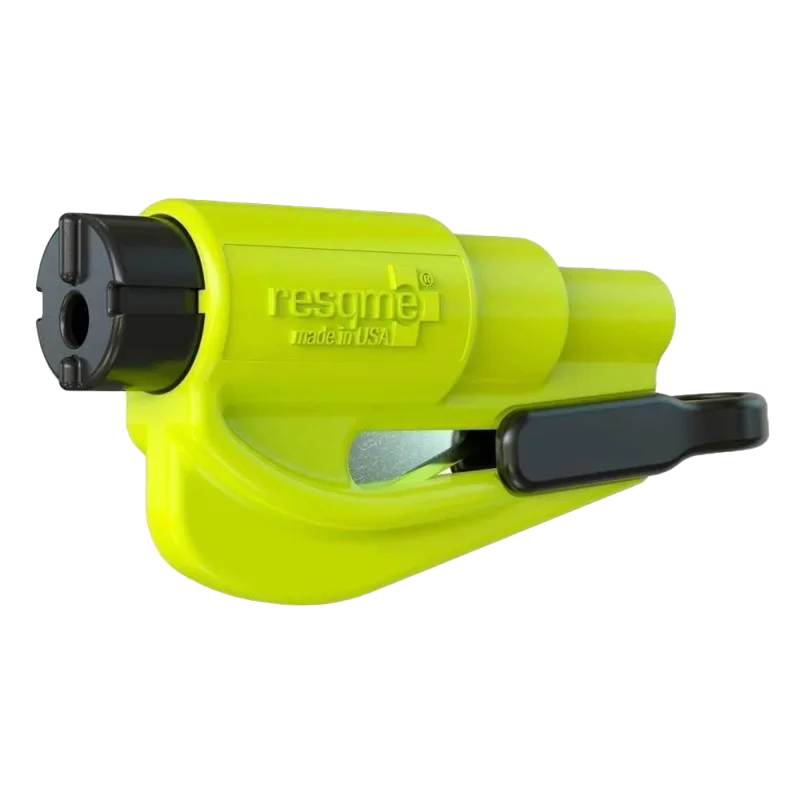
- #4. resqme Original Car Escape Tool: best in-reach safety tool
- Factors to consider when choosing car kit items
- How to build a car kit in one afternoon
- Car kit changes by season
- Car kit for families and pets
- Keeping your car kit fresh
Our top 4 picks
- 1Best for a dead batteryNOCO Boost Plus GB40 Jump StarterView at NOCORead our analysis
- 2Best for being seenPeterson 449 Warning Triangle Kit (3-pack)View at PetersonRead our analysis
- 3Best compact first aidLifeline Small Hard-Shell Foam First Aid Kit 30-PieceView at LifelineRead our analysis
- 4Best in-reach safety toolresqme Original Car Escape ToolView at resqmeRead our analysis
A car kit does not need to be fancy. Most of it can come from things you already own, packed into one bin in the trunk. This guide walks through what to include, how to change it by season, and four products that fill the gaps most homes have.
#1. NOCO Boost Plus GB40 Jump Starter: best for a dead battery
NOCO Boost Plus GB40 Jump Starter
Our verdict:
Best for a dead battery
Best for drivers who cannot count on another car being nearby.
View at NOCOKeep in mind: it only works if it is charged. Check its charge before long trips.
#2. Peterson 449 Warning Triangle Kit (3-pack): best for being seen
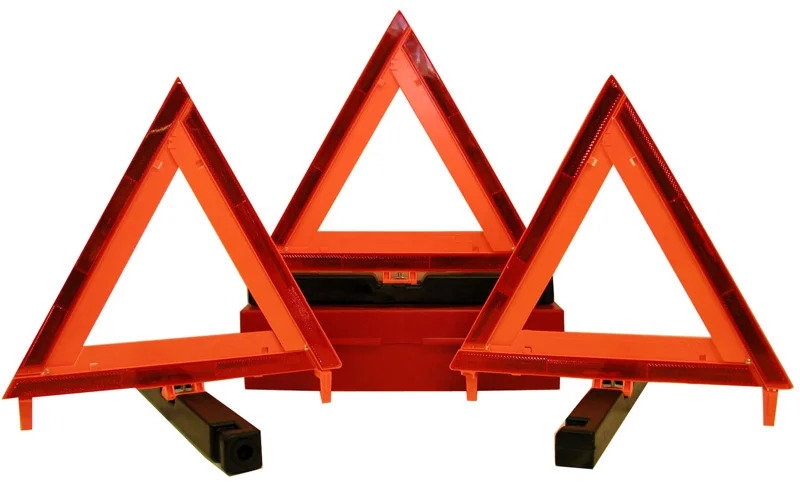
Peterson 449 Warning Triangle Kit (3-pack)
Our verdict:
Best for being seen
Best for a stop on the shoulder at night or in bad weather.
View at PetersonKeep in mind: only place them when it is safe to walk behind the car.
#3. Lifeline Small Hard-Shell Foam First Aid Kit 30-Piece: best compact first aid
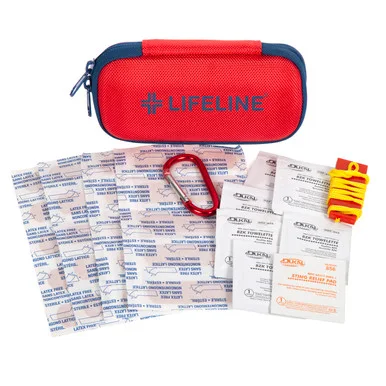
Lifeline Small Hard-Shell Foam First Aid Kit 30-Piece
Our verdict:
Best compact first aid
Best for the glove box.
View at LifelineKeep in mind: add personal medicines and a first aid guide. The maker dealer listing uses a six-kit case pack; check the purchase quantity.
#4. resqme Original Car Escape Tool: best in-reach safety tool
resqme Original Car Escape Tool
Our verdict:
Best in-reach safety tool
Best for mounting near the driver.
View at resqmeKeep in mind: it must be reachable from your seat to help.
Factors to consider when choosing car kit items
We used Ready.gov's car safety list as the base, then picked products for the items people most often lack. Details come from each listing, so check the current page before you buy. Anything you already own and trust, like old jumper cables or a spare blanket, belongs in the kit too.
How to build a car kit in one afternoon
- Get a container. A lidded bin or a duffel keeps things together.
- Add Ready.gov's basics. Jumper cables, a triangle, an ice scraper, a car charger, a blanket and a paper map.
- Add people supplies. Water, snacks, a flashlight and first aid.
- Add your personal items. Daily medicine, glasses and a phone number list.
- Stow it well. Keep the bin in the trunk. Keep the escape tool and flashlight near the driver.
Car kit changes by season
Winter
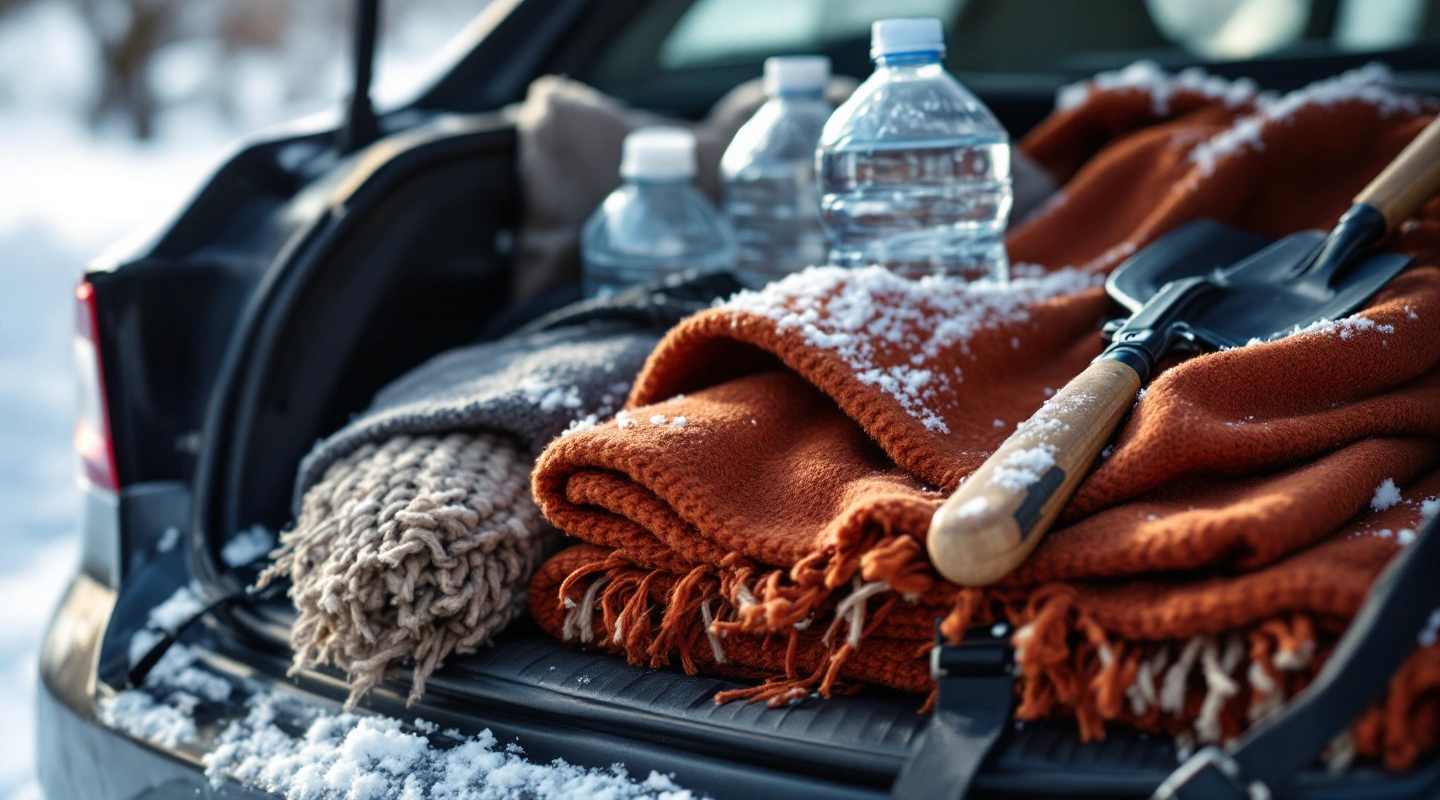
- Warm clothes, gloves and a hat for everyone who rides with you.
- Cat litter or sand for traction, as Ready.gov suggests.
- An ice scraper and a small shovel.
- An extra blanket.
Summer
- More water, since heat raises how much you need.
- Sun protection and a hat.
- Snacks that will not melt.
Car kit for families and pets
Families should add a comfort item and snacks for each child, plus diapers or wipes if needed. Pet owners should add a leash, a bowl, and a little food and water for the pet. Keep a copy of your family plan's meeting places and out-of-area contact in the glove box. The family emergency plan guide shows how to write one.
Keeping your car kit fresh
Check the kit twice a year and before long trips. Swap water and snacks, test the flashlight, and charge the jump starter. Heat shortens the life of batteries and food, so check more often in summer.
For pre-made kits compared, see the best car emergency kit guide. For the full checklist, see the car kit emergency supplies hub.
Questions people also ask
What goes in a basic car kit?
Ready.gov lists jumper cables, flares or a reflective triangle, an ice scraper, a car phone charger, a blanket, a map, and cat litter or sand for traction. Add water, snacks, a flashlight and first aid.
What container should I use for a car kit?
A small plastic bin with a lid or a duffel bag. It keeps items together and stops them rolling around the trunk.
Should a car kit change by season?
Yes. Add warm clothes and traction material in winter, and extra water and sun protection in summer.