
3000 Gallon Water Storage Tank: Site and Delivery in 2026
Plan a 3,000-gallon tank around roughly 25,000 pounds of water, delivery access, refill needs and the option of several smaller tanks.
Last updated October 2026
Contents6
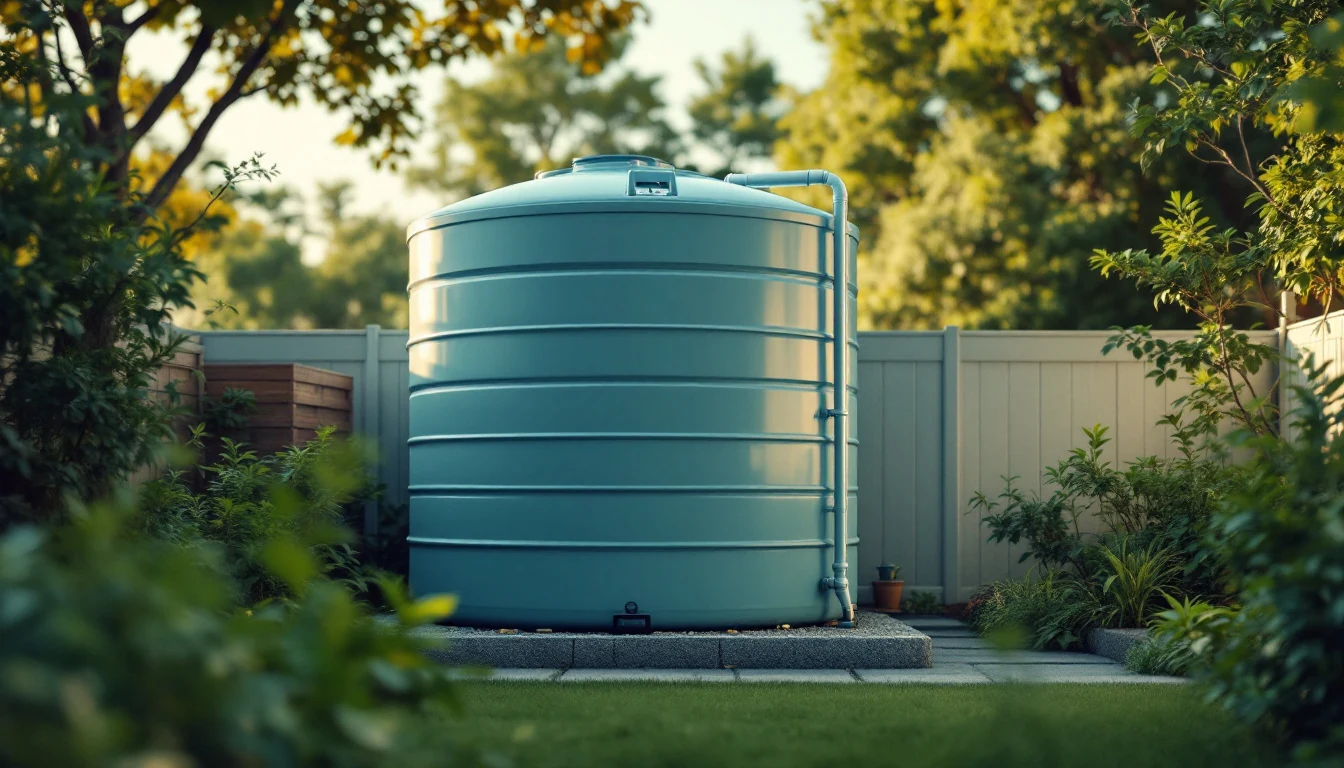
A 3000 gallon water storage tank is a major fixed water store for a rain, well or off-grid system. Its water weighs about 25,020 pounds, using 8.34 pounds per US gallon calculated from USGS density data. That is before the tank itself. This size earns its place when you need a bulk reserve and can support, fill and service it.
When the largest size makes sense
Think about the longest gap between refills and the amount you expect to use during it. Rain collection can need a reserve through dry weather. A well-fed home may need storage between periods of pumping. Either way, work from measured demand rather than buying the largest tank that appears to fit.
The CDC's household emergency target starts at one gallon per person per day, with a two-week supply if possible. At that rate, four people need 56 gallons, by calculation. A tank this large usually has a wider role than that short-term drinking-water stash, such as routine household or garden supply.
Snohomish County's sizing guide ties rainwater capacity to collection area, water needs and available space. Ask a system installer to check your own roof and rainfall pattern. If you want a dedicated fire reserve, discuss its access and connections with the local fire authority before you choose a tank.
Support for a 3000 gallon water storage tank
Compare the support for one large tank with the support for a group. The county guide requires a level base that carries the filled weight; for connected tanks, each base must support its tank when full. Dividing 3,000 gallons among several bodies does not reduce the total water load. Ask for a base plan for the arrangement you choose.
Use the model's drawing to mark the footprint. Include room for the lid, service port, drain and any pump. Ask whether the tank needs support across its full bottom and what pad or compacted base the maker allows. A generic slab thickness is a poor substitute for the maker's instructions and a site assessment.
Leave access around the whole arrangement, not just the tank nearest the gate. A group can fit the delivery route yet leave its back lids or valves out of reach. Draw the service space for each tank before deciding that several smaller ones solve the site problem.
Delivery: check the whole route
A tank that fits in the yard may not fit through the gate. Ask for the shipped dimensions, unloading method and space the delivery vehicle needs. Check corners, low branches, wires and roof edges on the route to the pad. Have the seller confirm who handles placement and any lifting equipment.
Complete the site work before arranging the delivery date. Keep the empty tank accessible until the installer has checked the fittings and support. A rushed placement can leave a drain against a wall or a service lid below an overhang, which makes every later job harder.
One big tank or several smaller ones
Several smaller tanks can help when access is tight or you want to build capacity in stages. For example, three tanks rated at 1,000 gallons add up to 3,000 gallons of nominal storage. Our 1000 gallon tank guide covers that smaller class. This is capacity arithmetic, not a finished plumbing design.
The county guide notes that connected tanks each need support for their full load and bring more maintenance. Ask the installer how to isolate a leaking tank, fill the group and route overflow. Compare that complete system with one large tank, including valves, bases and service space.
For a smaller single store, see the 2500 gallon guide. Keep drums for emergency drinking water separate when the large tank holds garden water.
Factors to consider before choosing this size
Keep the household drinking reserve in the decision even when most of the bulk water is for the garden. The CDC calls for food-grade containers for drinking water. For roof-fed storage, the EPA identifies bacteria and chemicals in runoff. Have the installer include treatment and testing if you plan to drink that supply, and confirm local requirements for the complete system.
Verdict: 3000 gallon water storage tank
A 3000 gallon water storage tank is useful when the full system supports its purpose. Choose it after the water-demand, base and delivery checks, and compare several smaller tanks if access is tight. Start the household side of the plan with the rain water barrel guide.
Questions people also ask
How heavy is the water in a 3,000-gallon tank?
About 25,020 pounds using the USGS-based calculation below. Add the empty tank and fittings to get the total installed load.
Are several smaller tanks easier to install?
They may fit a tight delivery route, but each still needs support, access and plumbing. Compare the complete system rather than just the empty tank sizes.