
Hurricane Safety Tips: Before, During, and After
What matters at each stage of a hurricane: the days before, the hours during, and the first days after.
Last updated September 2026
Contents11
- Hurricane safety tips for the days before
- Hurricane safety tips for during the storm
- Hurricane safety tips for right after
- Hurricane safety tips that apply the whole time
- Hurricane safety tips for driving and travel
- Hurricane safety tips for pets
- Hurricane safety tips for older adults and people with disabilities
- Hurricane safety tips for apartment and high-rise residents
- Hurricane safety tips for staying cool without power
- Building the habit into your family plan
- Official hurricane safety tips sources
Hurricane safety tips are easy to find. The hard part is knowing which ones matter at which stage. This guide splits them into before, during, and after. The right move changes a lot between each one.
Hurricane safety tips fall into three stages. Before the storm, finish prep and decide to leave or stay. During it, stay inside and away from windows. After it passes, avoid downed lines and floodwater.
Hurricane safety tips for the days before
- Finish your kit and check water, food, and medications against your actual household size, not a generic checklist.
- Fuel the car and get cash before lines form and card readers risk going down.
- Decide to leave or stay based on your zone, not a guess. Do this as soon as a watch is issued.
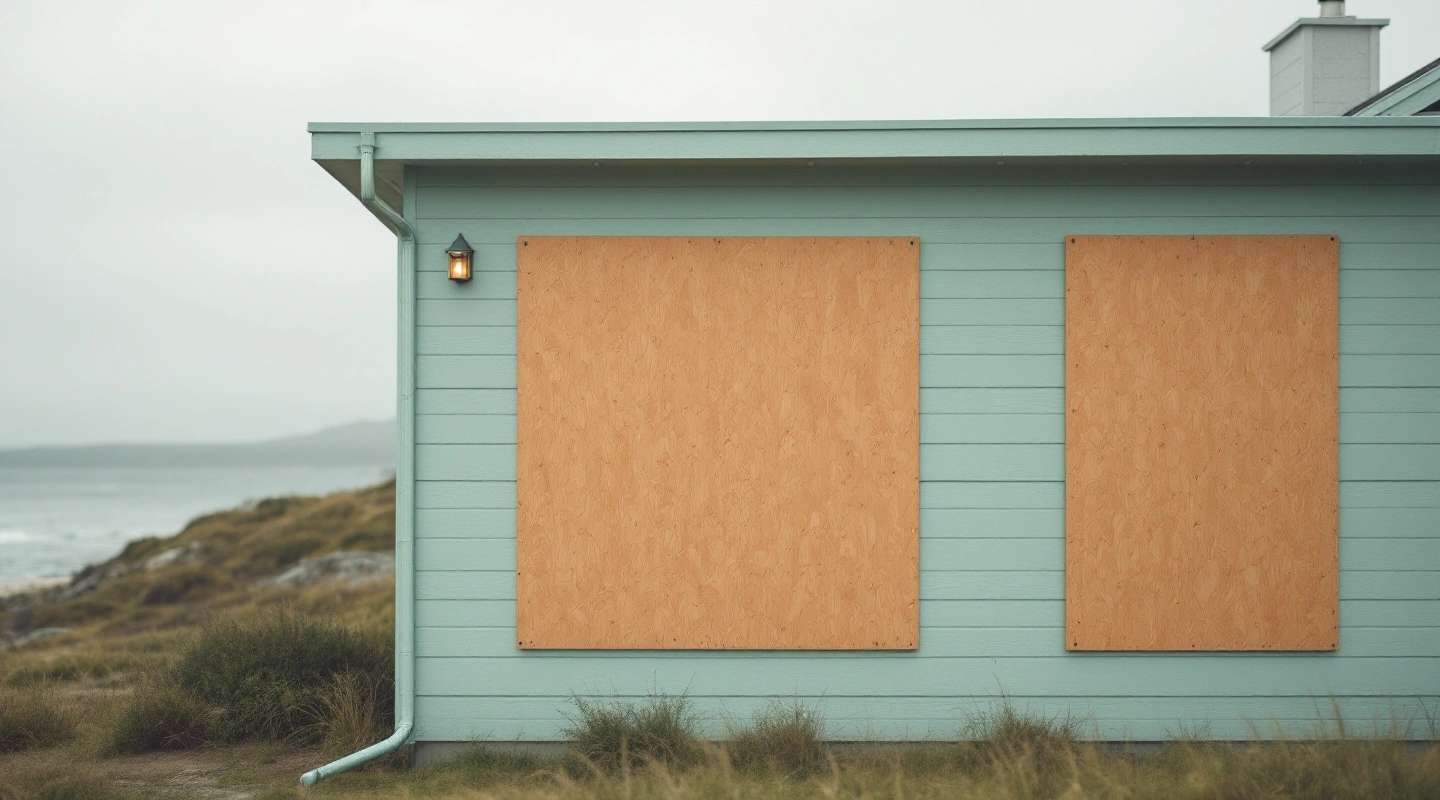
- Secure the outside of your home: bring in loose furniture, and board windows if your area is prone to high winds.
Hurricane safety tips for during the storm
- Stay inside, away from windows and glass doors.
- Move to an interior room on the lowest safe floor, away from anything that could flood.
- Do not go outside during a lull. The calm eye of a hurricane is often followed by strong winds from the opposite direction.
- Keep your phone charged and your radio on for official updates, not social media rumors.
Hurricane safety tips for right after
The first hours after a hurricane carry their own risks, apart from the storm itself.
- Treat every downed power line as live. Stay away from it and report it. Do not try to move it yourself.
- Avoid walking or driving through floodwater. It can hide a broken road, an open drain, or a live wire underneath.
- Check on neighbors, especially older people or anyone who has trouble moving fast, once it is safe to go outside.
- Take photos of any damage before you start cleanup. Your insurer will ask for them.
- Never run a generator indoors or in a garage. It gives off carbon monoxide, a gas you cannot see or smell. Keep it far from windows and doors.
Hurricane safety tips that apply the whole time
Some safety habits matter across every stage of a storm, not just one.
- Keep your family emergency plan up to date with this season's meeting places and contact.
- Trust NOAA and your county's own office over social media for storm timing and evacuation orders.
- Check on pets at every stage. They cannot follow instructions the way people can.
Hurricane safety tips for driving and travel
On the road as a storm nears? A few extra rules apply on top of the home tips above.
- Never drive through standing water. Just twelve inches of moving water can sweep away most cars. You often cannot tell how deep it is or what the road looks like underneath.
- Fill the tank early, before evacuation traffic forms and stations start running dry.
- Plan a route away from the coast, not just away from your own street. Evacuation traffic often uses the same few highways.
- Keep a car emergency kit separate from your home kit, since a storm can arrive with little notice while you are away from home.
Hurricane safety tips for pets
Pets need their own line items in every stage of storm safety.
- Bring pets inside well before the storm; do not leave them outside or chained during high winds.
- Keep a carrier for each pet with the rest of the kit. Pack food and water too, plus copies of your pet's records. Ready.gov notes many public shelters and hotels do not allow pets inside.
- Update pet microchip information before the season starts, in case you become separated during evacuation.
Hurricane safety tips for older adults and people with disabilities
A general safety list needs small changes for some households.
- Older adults living alone should arrange a check-in call or visit with a family member or neighbor. Do this before the storm, again during it, and once more right after.
- Anyone who uses powered medical gear needs a backup power plan before a storm is even named. A shelter cannot always promise a free outlet.
- Anyone who has trouble moving fast should plan to leave earlier than the official order. Traffic and shelter lines build fast in the final hours.
- Anyone who is deaf or hard of hearing should set phone alerts to vibrate strongly. Confirm a neighbor will pass on any spoken instructions too.
Hurricane safety tips for apartment and high-rise residents
Storm risk looks different above the ground floor.
- Wind risk grows with height. Upper floors face stronger wind than ground level, so securing anything on a balcony matters even more.
- Elevators may stop working. Plan to use stairs, and know this before you need to evacuate in a hurry.
- Water can still be a risk. Street-level flooding can cut off exits or trap cars in a garage. That can happen even if your unit stays dry.
Hurricane safety tips for staying cool without power
Heat is its own risk once the power goes out, most of all in the first days after a storm.
- Open windows for airflow once it is safe outside, rather than sealing up a hot house.
- Keep battery fans in the kit. Moving air helps even without cool air.
- Check on older neighbors and anyone with a health condition during a long outage.
- Watch pets closely too. A shut-up house heats up fast, and they cannot tell you when it becomes a problem.
Building the habit into your family plan
Safety tips only work if someone remembers them under pressure. Add the stage-by-stage list above to your written family emergency plan. Then the plan answers "what do we do now" and you don't rely on memory in a stressful week.
Walk through all four stages once a year, ideally in May before the season opens. Read the list out loud with your household, the same way you would practice a fire drill. A tip nobody has heard before a storm is far less likely to get followed once one actually arrives.
Official hurricane safety tips sources
Ready.gov's hurricane page and the National Weather Service hurricane safety page are the primary sources behind these tips. Follow your local officials for orders in your area.
Questions people also ask
What should I do in the days before a hurricane hits?
Finish your kit, fuel the car, get cash, and decide whether you are evacuating or sheltering in place based on your zone. Do this as soon as a watch is issued, not when a warning is issued.
Is it safer to stay home or evacuate?
It depends on your evacuation zone and your home's construction, not a general rule. Follow your local emergency management office's guidance for your specific zone rather than guessing.
What should I do during the actual storm?
Stay inside, away from windows, in an interior room on the lowest safe floor. Do not go outside during a lull; the calm eye of the storm is often followed by winds from the opposite direction.
What's the biggest safety risk after a hurricane passes?
Downed power lines and standing water. Treat every downed line as live, and avoid walking or driving through floodwater, which can hide damaged roads or electrical hazards.