
Gasoline Storage: A Safer Way to Keep Fuel at Home
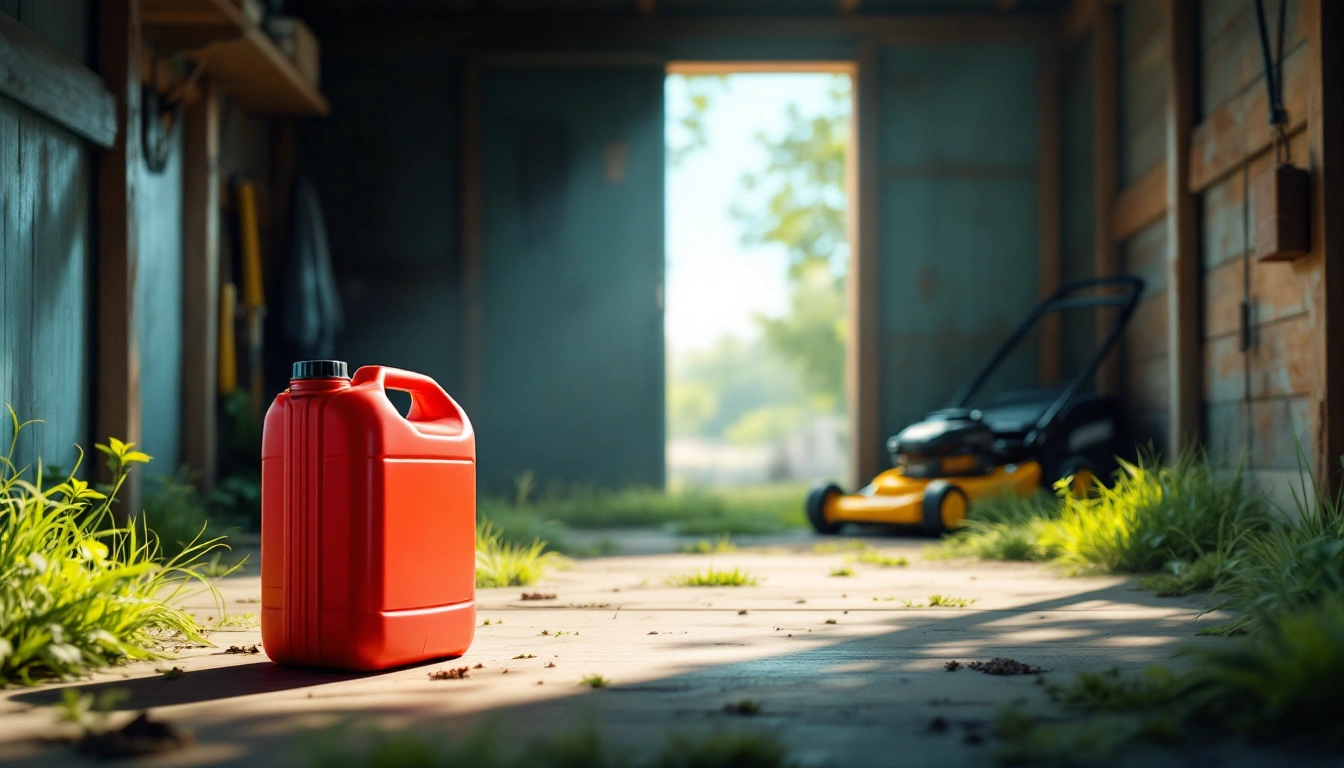
Keep gasoline in a closed, approved fuel can in a cool, well-ventilated detached shed or garage, away from flames, sparks and children. Never store it inside the house or basement.
Last updated November 2026
Contents6
Keep gasoline in a closed, approved fuel can in a cool, well-ventilated detached shed or garage. Keep it away from flames, sparks and children, and never store it inside the house or basement.
Gasoline gives off vapor that can catch fire. A good storage spot and a sound can help keep that vapor away from things that could ignite it. The Massachusetts Department of Fire Services recommends a locked shed or detached garage away from living areas and ignition sources.
This guide is part of our evacuation planning guides. For other ways to reduce fire risk, see home fire safety. A family emergency plan can help everyone know where to meet if they have to leave.
Pick a safe place
A detached shed or garage is a practical choice only if it is cool, has good air flow and is free of ignition sources. A closed, hot room is not a good fuel store. The Honolulu Fire Department recommends an outbuilding, detached garage or shed and says not to keep gasoline in a basement or occupied space.
Use these steps to assess the space:
- Pick a shed or garage separate from the house. Make sure air can move through it.
- Look for pilot lights, heaters, appliances and other things that can make heat or sparks. Choose another place if you cannot keep fuel away from them.
- Keep the can out of the sun and in a cool spot. Set it upright where it cannot easily be knocked over.
- Lock the storage space and keep the can out of children's reach.
- Ask your local fire department about limits and rules before bringing fuel home.
Do not put a can in an attic, living room or basement. If your only garage is attached to the house, ask the local fire department what its rules allow and whether you have a suitable place. Opening a garage door now and then does not turn a space with an ignition source into a safe fuel store.
Choose a can made for gasoline
Use an approved, labeled gasoline container with a secure cap. A red gas can may be metal or plastic if it is made and approved for gasoline. The Miami-Dade Fire Rescue guidance calls for an approved container and a child-resistant cap. Look for the approval and fuel markings on the can, and read its instructions before filling it.
A milk jug, drink bottle, glass jar or plastic bag is not a gas can. These containers can leak or break, and a bottle that looks like a drink adds a poisoning risk. Keep the cap closed when the can is not in use. Do not remove or alter a safety device to make pouring faster.
A can that held another product may still have residue inside. Do not mix fuels or use a container whose contents you cannot identify. If a can is damaged or leaks, contact the local fire department or household hazardous waste program for safe handling advice.
Fill and carry the can
The U.S. Fire Administration says to fill portable gasoline containers outdoors in an airy place and put them on the ground. Massachusetts fire officials also say to keep the pump nozzle in contact with the inside of the can to reduce static ignition risk.
- Turn off the vehicle and take the approved can out of it.
- Set the can upright on the ground at the pump, outside the vehicle and away from smoking or flames.
- Place the nozzle in the opening and keep it in contact with the inside of the can while filling.
- Follow the can's fill mark and instructions; do not fill it to the brim.
- Close the cap and any vent opening tightly. Wipe any fuel from the outside as directed by the local fire department.
- Secure the can upright so it cannot tip. Keep it away from passengers and take it out as soon as you arrive.
The Massachusetts guidance describes carrying a closed can in a secure upright position away from passengers. Go straight home and put it in its storage spot. Do not leave a fuel can in a parked vehicle.
Refuel equipment outdoors
A mower or generator can be hot after use. Shut off the engine and let it cool before adding fuel. Bring the can to an open outdoor area, away from flames and sparks. Use the can's spout and pour slowly to avoid a spill. Close both the equipment fuel cap and the can after filling.
For a generator, the home generator guide covers the wider power plan. Keep the running machine outside and follow its instructions for placement and fueling. Do not move a running or hot machine into the shed just to make filling easier.
Handle a spill or unwanted fuel
If a spill is large, spreading, or gives off strong fumes in an enclosed space, leave the area and call the fire department from a safe place. Do not operate switches or equipment near the spill. For a small spill, seek local fire department or hazardous waste instructions for cleanup and disposal. Keep people and pets away while you do so.
If fuel gets on your skin, wash it with soap and water. For a suspected poisoning, Poison Control offers help at 1-800-222-1222 in the United States. Keep the product container nearby so you can identify what was involved. If the person has collapsed, has trouble breathing or cannot be awakened, call 911.
Do not pour fuel onto the ground, into a drain or into the trash. Miami-Dade Fire Rescue directs residents who cannot use or give away leftover gasoline to its home chemical collection centers. Your own town may have a different drop-off system.
- Call your local household hazardous waste program and ask if it accepts gasoline.
- Describe the fuel and its container, and ask how to bring it in.
- Keep the can closed and secure during the trip, following the collection site's directions.
- Ask the program how to handle any fuel-soaked cleanup material as well.
Do not filter old gasoline through coffee filters or cloth as a home disposal method. If you cannot identify the fuel or do not know whether it is fit for an engine, ask the collection program instead of pouring it into a machine.
Store other flammable liquids
Paint thinner, solvents and other household products can also give off flammable vapors. Keep each in its original container with the lid closed, and follow the label for storage and disposal. Do not transfer a chemical into a food or drink container. The U.S. Fire Administration advises following labels and not mixing household chemicals.
Keep these products away from the fuel area if their labels say they are incompatible. A label can also tell you what protective gear to use. If you cannot read it, contact the local hazardous waste program for help identifying a safe disposal route.
Questions people also ask
Can I use gasoline to clean a tool or dissolve foam?
No. Honolulu Fire Department says to use gasoline only as motor fuel, not as a cleaner or degreaser. Check the foam or tool maker's directions for a suitable cleaner.
Can gasoline be stored in a milk jug?
No. Use an approved container made for gasoline. A food or drink container can be mistaken for something safe to consume.
Can I use gasoline to light a fire pit?
No. Never use gasoline to start or restart a fire.
How much gasoline may I keep at home?
Ask your local fire department about the limit where you live. Rules vary by location and storage space.
What should I do if gasoline gets on my skin?
Wash the affected skin with soap and water. If someone swallows fuel or has symptoms after exposure, call Poison Control at 1-800-222-1222 in the United States.