
Home Fire Safety: Rules That Cut Everyday Risk
Working smoke alarms on every level, a practiced two-way-out escape plan, safe cooking and heating habits, and major appliances plugged straight into the wall reduce everyday home fire risk.
Last updated November 2026
Contents6
Smoke alarms that work, exits you have walked, heat kept away from fabric, and cords that are not overloaded are the habits federal fire educators repeat on their home fire pages.
This guide sits with the other evacuation planning guides because a home fire is one hazard where you may need to leave in minutes. It pairs with the family emergency plan for contacts and meeting spots, and with the evacuation plan when a fire spreads beyond one room and you must leave the neighborhood.
Install and test smoke alarms
The U.S. Fire Administration states that residents may have less than two minutes to get out once an alarm sounds. Its escape-plan materials and smoke alarm guidance list these steps:
- Mount alarms inside and outside each bedroom and sleeping area.
- Add at least one alarm on every level of the home, including the basement.
- Place them on the ceiling or high on the wall, and follow the maker's instructions for the exact spot.
- Use interconnected alarms when you can, so one sounding unit alerts the whole house.
- Pick ionization and photoelectric sensing together, either as dual-sensor alarms or as a mix of both types, because each detects different kinds of fires.
- Press the test button once a month.
- Replace the whole alarm at ten years, or sooner if the maker lists a shorter life.
A missing or dead battery leaves you with no alarm at all. If cooking steam sets off an alarm, open a window or door, press the hush button, and do not remove the battery.
An alarm only warns you, while a home fire sprinkler system puts water on the fire as you get out.
Make and practice a fire escape plan
A home fire is not the time to decide which window opens. Draw a simple map of the home with every door and window marked:
- Find two ways out of every room.
- Make sure doors and windows are not blocked.
- Choose an outside meeting place in front of your home.
- Push the test button to start a drill, then walk everyone to the meeting place.
- Practice your home fire drill with everyone in the home.
That escape plan is separate from a hurricane or wildfire evacuation route. If flames are only in one room and you can leave safely, use the map above. If the whole block must leave, switch to your emergency evacuation steps.
Cook with the stove attended
Cooking is the leading cause of home fires and home fire injuries in the federal cooking totals. In 2021 an estimated 170,000 home cooking fires were reported, causing 135 deaths and 3,000 injuries. Unattended equipment was the leading ignition factor in 37% of nonconfined home cooking fires.
- Stand by the pan. If you leave the kitchen, turn the burner off.
- Watch the food. If you see smoke or grease boiling, turn the heat off.
- Turn pot handles toward the back so no one bumps them.
- Keep a lid or baking sheet within reach to slide over a small pan fire and cut off air.
Heat the home without using the stove
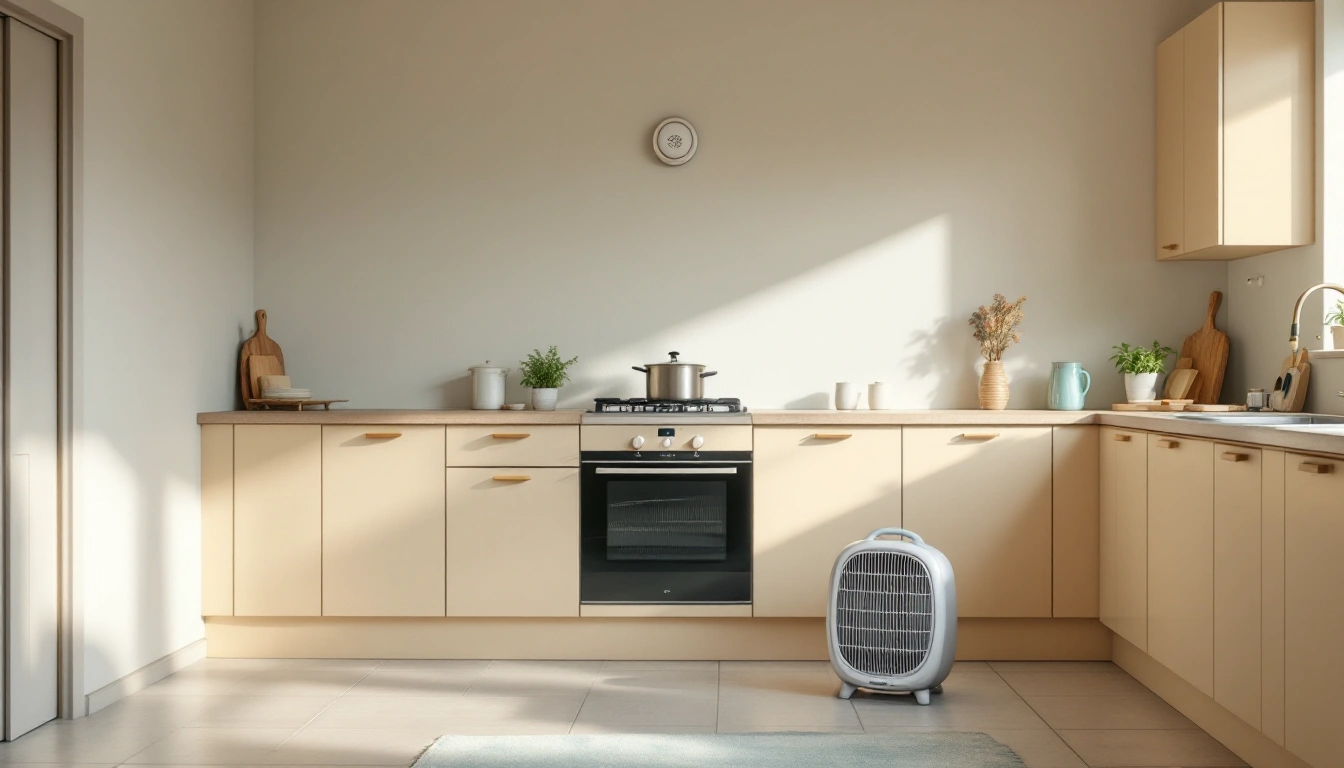
The heating page, last reviewed in May 2023, lists home heating fires as the second leading cause in 2021, with an estimated 32,200 reported. Portable heaters were only 3% of all home heating fires annually for 2017–2019, but they accounted for 41% of fatal heating fires in homes.
- Keep anything that can burn at least three feet from fireplaces, wood stoves, radiators, space heaters, or candles.
- Never use an oven to heat a home.
- Turn space heaters off when leaving the room or going to bed.
- Have chimneys and fixed heating equipment cleaned and inspected each year by a professional.
Treat cords and outlets as part of the plan
An estimated 24,200 residential building electrical fires were reported in 2021 on the appliance and electrical page.
- Plug refrigerators, stoves, washers, and dryers directly into a wall outlet.
- Never run a major appliance through an extension cord.
- Do not overload outlets or power strips; use strips that include internal overload protection.
- Replace an appliance with a cracked, damaged or loose cord; replace worn, old or damaged extension cords right away.
- Avoid putting cords where they can be damaged or pinched, like under a carpet or rug.
- Failure to clean (31%) was the leading factor contributing to ignition of clothes dryer fires in homes from 2018–2020, per NFIRS figures cited on that page.
Keep anything that can burn away from lamps, light fixtures and light bulbs.
For fuel kept for yard equipment, follow the gasoline storage guide to choose a safe can and place.
Room-by-room checklist
| Area | Everyday rule |
|---|---|
| Whole home | Test smoke alarms monthly; replace units at ten years (smoke alarms) |
| Bedrooms | Two cleared exits per room; meet outside at one spot (escape plans) |
| Kitchen | Stay with active burners; smother small pan fires with a lid (cooking) |
| Living areas | Three-foot clear space around heaters; heaters off at bedtime (heating) |
| Utility spaces | Major appliances on wall outlets; clean dryer lint (appliances and electrical) |
Scroll for more →
For wider disaster planning that includes fires, see the evacuation planning guides.
Questions people also ask
What are the basic fire safety rules at home?
Install and test smoke alarms on every level, map two ways out of every room and practice the drill, stay with cooking and keep heat sources three feet from anything that can burn, and plug refrigerators, stoves, washers, and dryers directly into wall outlets.
How can I prevent a fire at home?
Start with alarms and an escape plan, then work through the kitchen and heating equipment.
How often should I review a fire escape plan?
Practice the home fire drill with everyone in the home, as the escape-plan page describes. Test smoke alarms monthly by pressing the test button.
Where should smoke alarms go in a house?
Mount one inside and outside each sleeping area and at least one on every level including the basement, on the ceiling or high on the wall. Use interconnected alarms when your model allows.
Can I use an extension cord with a space heater?
Plug space heaters directly into wall outlets and never into an extension cord or power strip.
What usually starts a home cooking fire?
In 2021 an estimated 170,000 home cooking fires were reported in U.S. totals on the federal cooking page, with 135 deaths and 3,000 injuries. Unattended equipment was the leading ignition factor in 37% of nonconfined home cooking fires on that page.