
Power Station vs Generator: Which Backup Power Fits Your Home
The real differences between a battery power station and a fuel generator: setup, noise, upkeep, runtime, CO safety and what each one can actually carry.
Last updated September 2026
Contents11
- Setup and installation
- Carbon monoxide: the rule that actually matters
- Noise and where it can sit
- Runtime and refueling
- What each one can actually carry
- Power station vs generator output
- Backfeeding: the other generator-specific hazard
- Upkeep
- Factors to consider when choosing between them
- When a two-part backup plan makes sense
- Power station vs generator verdict
These are two different tools for the same problem: keeping power on when the grid goes out. Neither one beats the other outright. Here's how they really differ, and where a fuel generator's real safety rules come from. This guide is part of our backup power section.
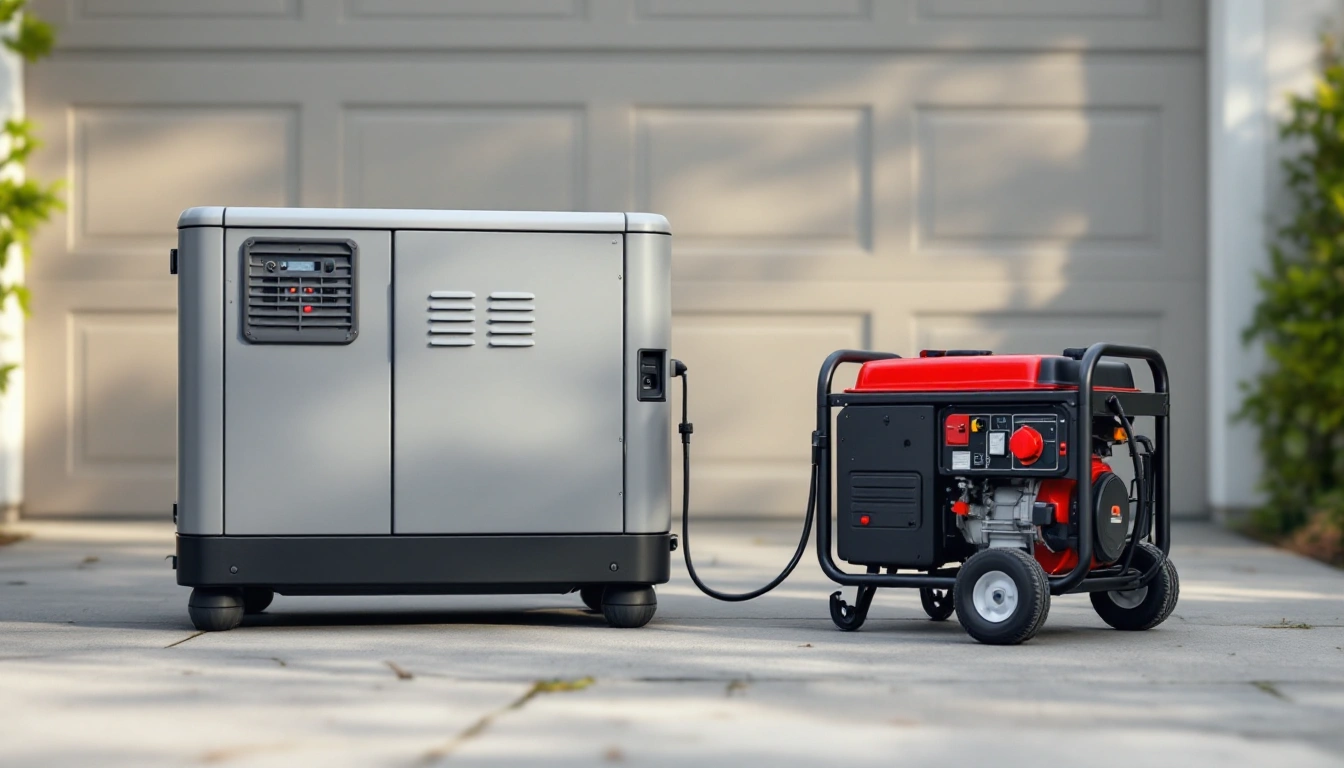
A power station vs generator choice starts with where each unit can go. A battery unit does not burn fuel. It does not make fuel-generator exhaust. Follow its maker's rules for use and charging. A fuel unit must stay outside under the CDC distance rule. Capacity and output then decide which loads each option can support.
Setup and installation
A power station needs no fuel or connection to house wiring for direct plug-in loads. Follow its maker's setup instructions before use. A fuel generator tied to your home's circuits needs a transfer switch. A licensed electrician installs it, following your local code. A generator run on extension cords skips that step, but it still needs everything below on placement and carbon monoxide.
Carbon monoxide: the rule that actually matters
This is the difference that decides where each option can be used. A battery power station does not burn fuel or produce fuel-generator exhaust. Follow the maker's instructions for use. Follow its charging and storage guidance too.
A fuel generator gives off carbon monoxide whenever it runs. The CDC is clear on the rule: never run one inside a home or garage, even with the doors and windows open. Keep it more than 20 feet from any window, door or vent.
Ready.gov gives the same distance: "at least 20 feet away from windows, doors and attached garages." An open door does not change this rule. The Red Cross warns that opening doors and windows or using fans will not prevent carbon monoxide buildup when a generator runs indoors. Add a battery carbon monoxide alarm on every level of the home too, on top of that outdoor distance.
Noise and where it can sit
Battery units may use a cooling fan, so they are not always silent. Some makers publish a dB rating for a specific model and some do not. Check the exact unit rather than applying one brand's figure to another.
A fuel generator has to run outdoors regardless of its sound level. Placement is a carbon-monoxide rule first, not a noise choice.
Runtime and refueling
A power station's runtime is fixed by its battery size. Once it's empty, it needs time to recharge. A fuel generator can keep running while its approved fuel supply lasts. The right choice depends on whether you can recharge a battery or safely store and use generator fuel during the outage.
Our U.S. power outage statistics explain EIA's annual duration and frequency measures. Those national averages provide background, not a prediction of your home's outage length or a battery-sizing figure.
What each one can actually carry
Power stations sized like the picks in our best solar generators for home backup roundup handle a fridge, lights, a router and phone charging. A bigger fuel generator, wired through a transfer switch, can carry a well pump, central air or an electric range. Those loads are out of reach for a typical power station.
Power station vs generator output
Battery output differs by model. The home-backup picks in our roundup range from 1,800W to 3,000W of steady output. Their stated peak or lifting figures are higher, but those short-term modes are not the same as steady output.
Capacity is a separate number. A 2,048Wh DELTA 3 Max Plus and a 2,042Wh Explorer 2000 v2 store almost the same rated energy, yet their steady outputs are 3,000W and 2,200W. One figure helps answer how long. The other answers what can run at once.
Fuel-generator output also varies by model, so this page does not assign one generic wattage to that whole category. Read the nameplate and the manual. If the generator connects to house wiring, have a licensed electrician size the transfer equipment for the actual unit and circuits.
Backfeeding: the other generator-specific hazard
Beyond carbon monoxide, a generator wired the wrong way creates a second hazard: backfeeding. The American Red Cross warns that plugging a generator into a wall outlet "puts utility workers, your neighbors and your household" at risk. It sends the generator's power back out onto the grid, which can shock a line worker repairing that grid miles away.
A transfer switch is what makes it safe to tie a generator to house wiring. A licensed electrician installs it. The switch cuts the home off from the grid first, then connects the generator, so the two never meet on the same wires. See our auto transfer switch guide for how that switch works and which type fits your setup.
Upkeep
A power station has a battery, charger, cables and software or controls to check. Follow its maker's storage instructions. The US Fire Administration says to keep lithium batteries out of direct sun and hot cars, and to stop using one if it develops unusual heat, odor, swelling or a change in shape.
A fuel generator has an engine and a fuel system. Follow that model's manual for service and storage. Keep the outdoor placement rule in the plan even when the unit is only being tested.
Whichever type you choose, run a practice setup before storm season. Put it in the planned location. Connect the real cables and loads. A paper plan cannot reveal a cord that is too short or a plug that does not fit.
Factors to consider when choosing between them
How long your outages usually run. Short, rare outages favor a power station. Multi-day outages favor a fuel generator with enough stored fuel, and the discipline to keep it running that long.
What you actually need to power. Small and medium loads, like a fridge, lights, devices and medical gear, fit a power station. Whole-home loads need a standby or portable fuel generator, properly wired through a transfer switch.
Where you can put it. Do not use a fuel generator where the CDC's outdoor distance and never-in-a-garage rules cannot be met. A battery power station avoids fuel-generator exhaust. Its maker's instructions for use, charging and storage still apply.
Plan the full setup, not just the unit. A fuel generator needs a transfer switch and a licensed electrician if you want it wired to your panel. A power station may need matching solar panels if outdoor recharging is part of the plan.
When a two-part backup plan makes sense
A battery station and a fuel generator can cover different parts of the same outage. The battery can support immediate plug-in loads from a location allowed by its maker's guidance. The fuel unit stays outdoors under the CDC distance rule and can support a longer plan when the battery cannot be recharged from the grid.
This does not make the generator safe to connect through a wall outlet. The Red Cross backfeeding warning still applies. Use extension cords as the maker directs, or use a transfer switch installed for the home and generator.
Keep the operating steps with the equipment. The generator note should include the outdoor location and the rule to keep it more than 20 feet from openings. The battery note should list the planned loads and charging path. Clear steps matter when the outage starts at night.
Run the two plans separately before relying on them together. Test the battery with its indoor loads. Test the fuel unit only in its marked outdoor location. Confirm that the transfer switch, if present, is the route used for house wiring.
Keep those steps separate. This reduces the chance that someone plugs into a wall outlet. It also helps stop someone moving the generator toward the garage in bad weather.
Power station vs generator verdict
For a power station vs generator choice, pick the battery unit when quick setup and a defined load list matter most. Pick a fuel generator when the plan needs a refillable power source and the property can meet the outdoor placement rule.
For either option, size the unit from real equipment labels. Use a transfer switch for any connection to house wiring. Never run a fuel generator in a home or garage, even with a door open, and keep it more than 20 feet from windows, doors and vents.
Questions people also ask
Can I just plug a generator into a wall outlet instead of using a transfer switch?
No. The American Red Cross warns that plugging a generator into a wall outlet, called backfeeding, puts utility workers, neighbors and your own household at risk. Any generator tied to your home's wiring needs a transfer switch, put in by a licensed electrician. See our auto transfer switch guide for how that works.
Is it safe to run a generator in the garage if I leave the door open?
No. The CDC is explicit: never use a generator inside a home or garage, even with the doors and windows open. Keep it outside, at least 20 feet from windows, doors and vents. Add a battery carbon monoxide alarm even if you follow that rule.
Which costs less to run, a power station or a generator?
Running cost depends on local electricity or fuel costs and how much power you use. This guide does not compare prices. A battery needs a recharge after its stored energy is used. A fuel generator needs more fuel to keep running. Compare those inputs using current local costs.
Can I use both?
Yes. Many households do. A battery power station does not burn fuel or produce fuel-generator exhaust. Follow its maker's instructions for use and charging. A fuel generator with a transfer switch can cover long outages or bigger loads. It must follow the CDC outdoor placement rule.